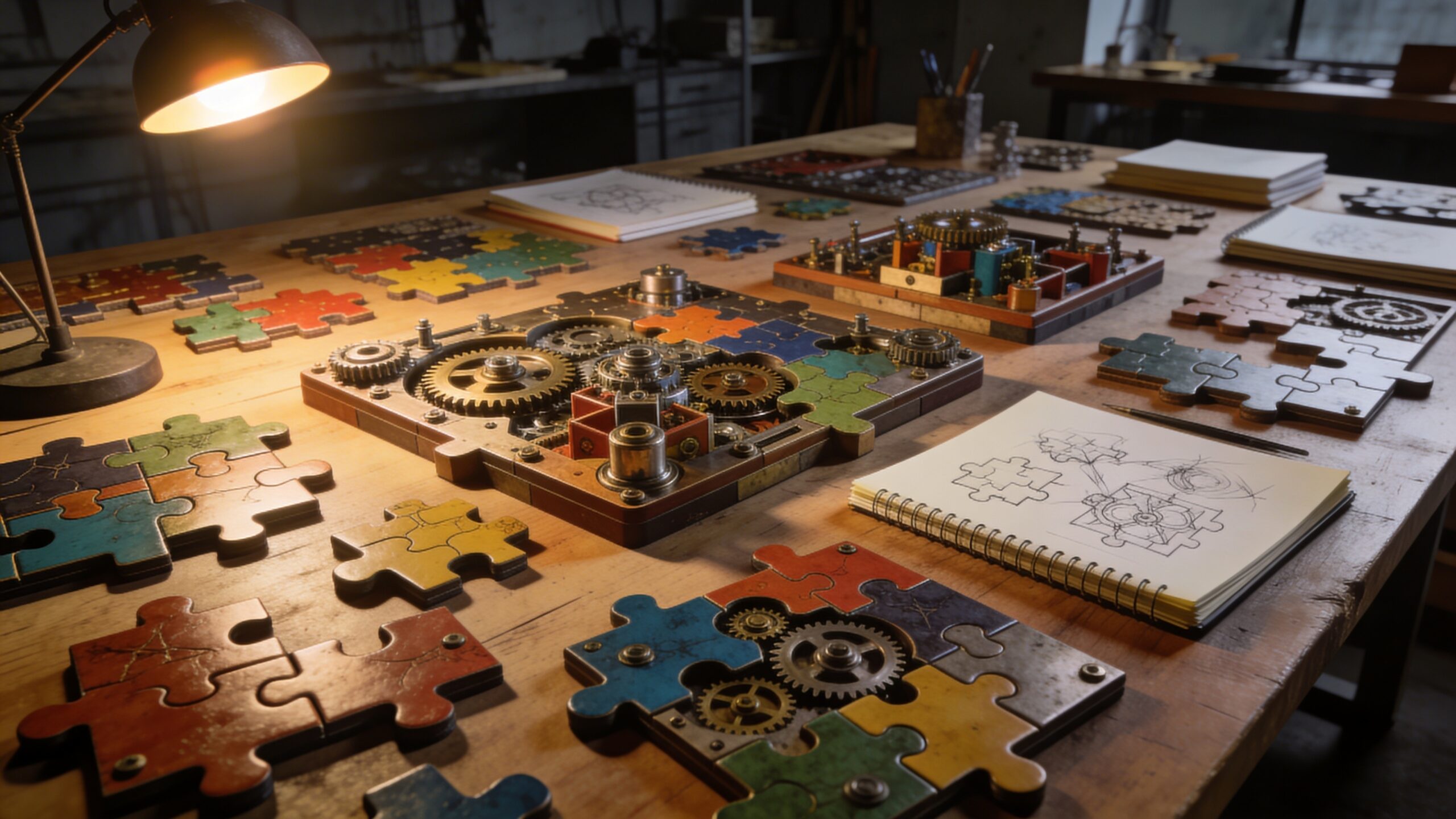
Every great puzzle lives on the edge of discovery. Too easy, and the challenge disappears. Too difficult, and frustration replaces curiosity. The art of difficulty balancing sits right at that sweet spot, where every clue, mechanic, and twist invites players to think just a little deeper. On Puzzle Streets, difficulty balancing isn’t just about making puzzles harder or easier—it’s about crafting an experience that keeps minds engaged, motivated, and eager for the next challenge. From logic puzzles and riddles to intricate mechanical challenges and digital brainteasers, balanced design ensures that every step forward feels rewarding. A well-balanced puzzle gradually builds tension, teaches players new ways of thinking, and rewards persistence with satisfying breakthroughs. The best puzzles guide players subtly, providing just enough hints, patterns, or structure to keep progress possible without ever giving away the answer. In this section of Puzzle Streets, we explore the science and creativity behind designing challenges that captivate players. Discover how puzzle creators adjust complexity, guide player thinking, and maintain that magical balance where curiosity wins over confusion and every solved puzzle feels like a personal triumph.
Difficulty Balancing