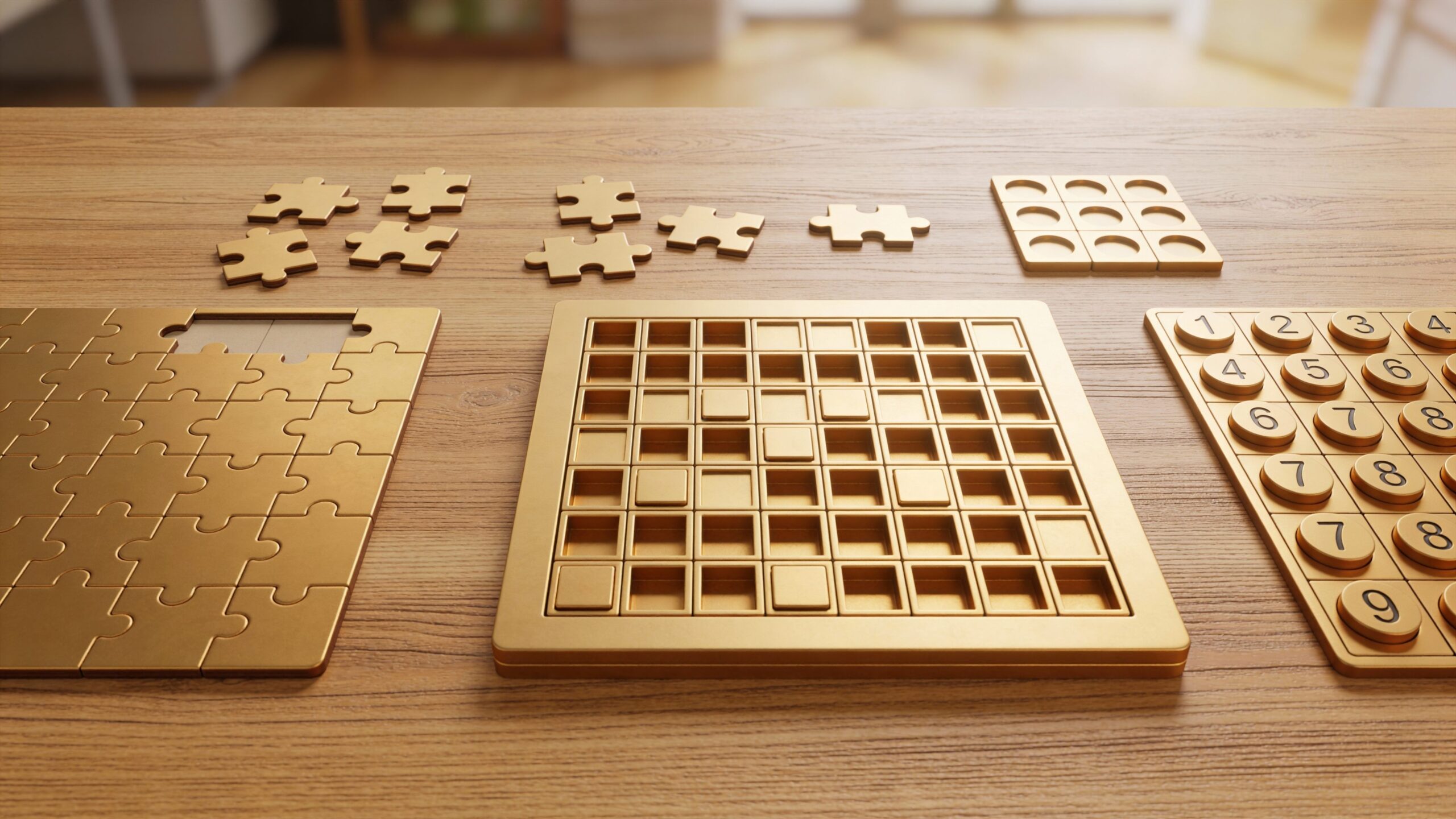
Beginner Puzzle Paths is your welcoming gateway into the world of puzzles—designed for curious minds taking their very first steps. Whether you’re brand new to puzzles or simply easing back in, this space is all about confidence, discovery, and small wins that feel great. Each article along this path introduces puzzles in a friendly, pressure-free way, focusing on understanding patterns, recognizing clues, and building momentum without feeling overwhelmed. Here, puzzles aren’t about speed or perfection—they’re about learning how puzzles think. You’ll explore simple logic challenges, visual riddles, word games, number puzzles, and classic brain teasers, all broken down into approachable ideas that click quickly. As you move through these paths, you’ll start noticing familiar structures, common tricks, and satisfying “aha” moments that make puzzles feel less mysterious and more inviting. Beginner Puzzle Paths is where puzzling confidence is built. With every solved clue and completed grid, you’ll sharpen your instincts, grow your curiosity, and discover just how fun problem-solving can be. This is the starting line—take it at your own pace and enjoy the journey.
A: Choose a format you enjoy—easy Sudoku, word searches, simple logic grids, or small jigsaws.
A: Not if it’s a test—make a trial move, see consequences, then confirm or undo.
A: Focus on one section at a time and write notes—puzzles feel bigger than they are.
A: Use hints as lessons—learn one new pattern, then try again on the next puzzle.
A: Aim for 5–15 minutes at first—short solves build confidence and consistency.
A: Totally normal—your brain learns what to look for over time. Slow down and scan keywords.
A: Repeat the same puzzle type for a week—pattern recognition grows quickly with repetition.
A: Yes—beginner success often comes from good marking and clean tracking.
A: Restarting is fine, but try “resetting notes” first so you learn from the current state.
A: Clear rules, visible progress, fewer trick clues, and enough givens to build certainty.