
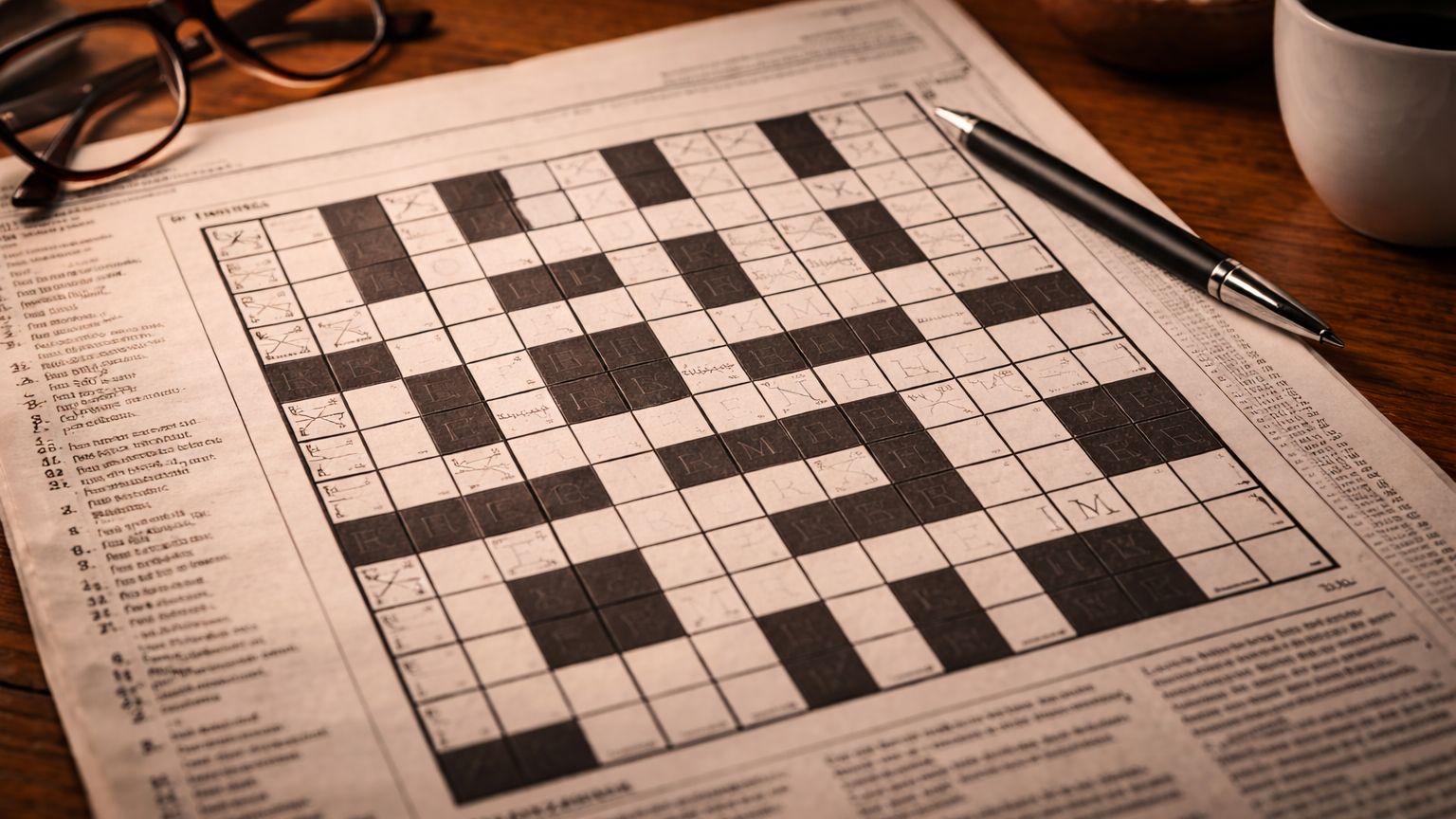
Word puzzles are where language becomes a playground. On Puzzle Streets, Wordplay Techniques explores the clever tricks, patterns, and strategies that turn ordinary vocabulary into powerful puzzle-solving tools. From crosswords and anagrams to cryptic clues, palindromes, and hidden word puzzles, mastering wordplay is about learning how language bends, twists, and disguises meaning. Great word puzzlers don’t just know lots of words—they recognize structures. They see prefixes and suffixes, letter patterns, common clue tricks, and subtle misdirection that puzzle designers use to hide answers in plain sight. With practice, these techniques allow solvers to decode clues faster, test possibilities quickly, and build confidence even when a puzzle seems impossible at first glance. In this section, you’ll find strategies that sharpen your vocabulary awareness, strengthen pattern recognition, and help you break apart complex clues with precision. Whether you’re chasing the perfect crossword streak, competing in word puzzle challenges, or simply enjoying the satisfaction of cracking a tricky clue, these articles will help you think like a wordplay expert. Once you learn the language of puzzles, every clue becomes an invitation to solve.
A: Practice regularly and learn common puzzle clue patterns.
A: Vocabulary helps, but pattern recognition is even more important.
A: Some words fit grid patterns more easily than others.
A: Yes, they strengthen memory, language skills, and problem solving.
A: It rearranges letters to form new words or phrases.
A: Puzzle designers use misdirection to increase challenge.
A: Fill easy answers first to reveal crossing letters.
A: Many experienced solvers recognize common puzzle vocabulary.
A: The concept is similar, but clue styles vary by language.
A: Step away briefly and return with fresh perspective.