
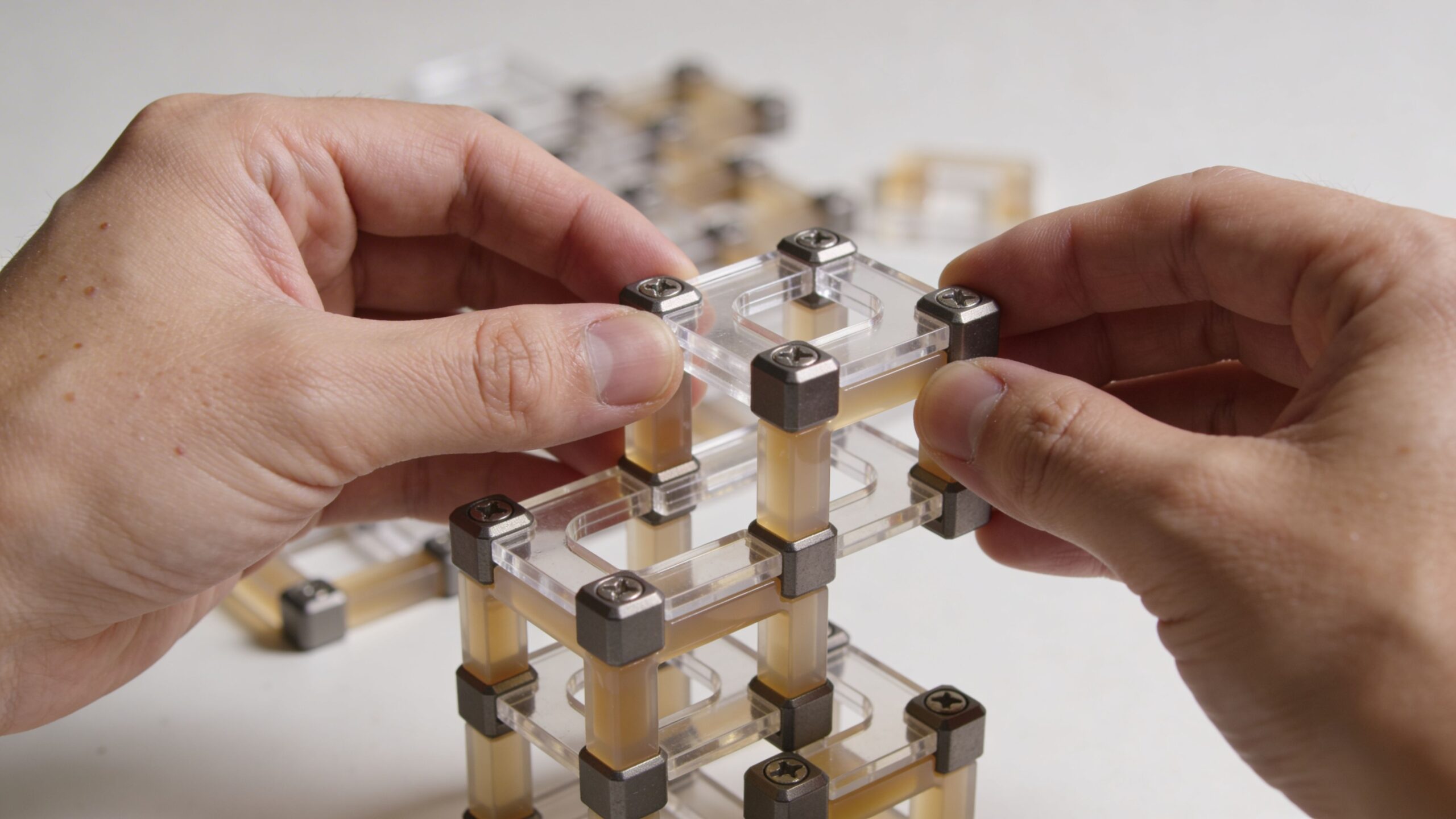
Spatial Thinking Skills on Puzzle Streets is where imagination meets precision—helping you see, rotate, map, and build ideas in your mind before they ever touch the real world. This sub-category collects articles that turn spatial reasoning into an exciting puzzle-driven playground, perfect for sharpening the skills behind design, navigation, engineering, art, math, and everyday problem solving. Here, puzzles become training tools for your inner GPS and your mental workshop. You’ll explore challenges that boost visualizing shapes, recognizing patterns, rotating objects in your head, and spotting relationships between space, distance, and direction. Expect quick activities for instant brain warm-ups, deeper guides that connect puzzles to real-world performance, and surprising insights into why some people “see” solutions faster—and how to practice that ability. Whether you’re improving your 3D thinking, strengthening geometry confidence, or simply enjoying puzzles that make your brain click into a new perspective, Spatial Thinking Skills offers a path full of discovery. Step in, start solving, and watch your world become clearer, sharper, and more brilliantly connected.
A: The ability to visualize, rotate, map, and understand relationships in space.
A: Yes—practice with puzzles builds speed and accuracy.
A: Mental rotation, mazes, block puzzles, and pattern challenges.
A: They support math, geometry, science, and problem solving.
A: Absolutely—spatial training stays valuable at any age.
A: Short daily sessions work better than occasional long ones.
A: Imagining an object turning in 2D or 3D space.
A: Some can, but puzzles provide targeted practice.
A: It’s common—spatial memory improves with repeated exposure.
A: Try quick symmetry spotting or a tiny maze each day.