
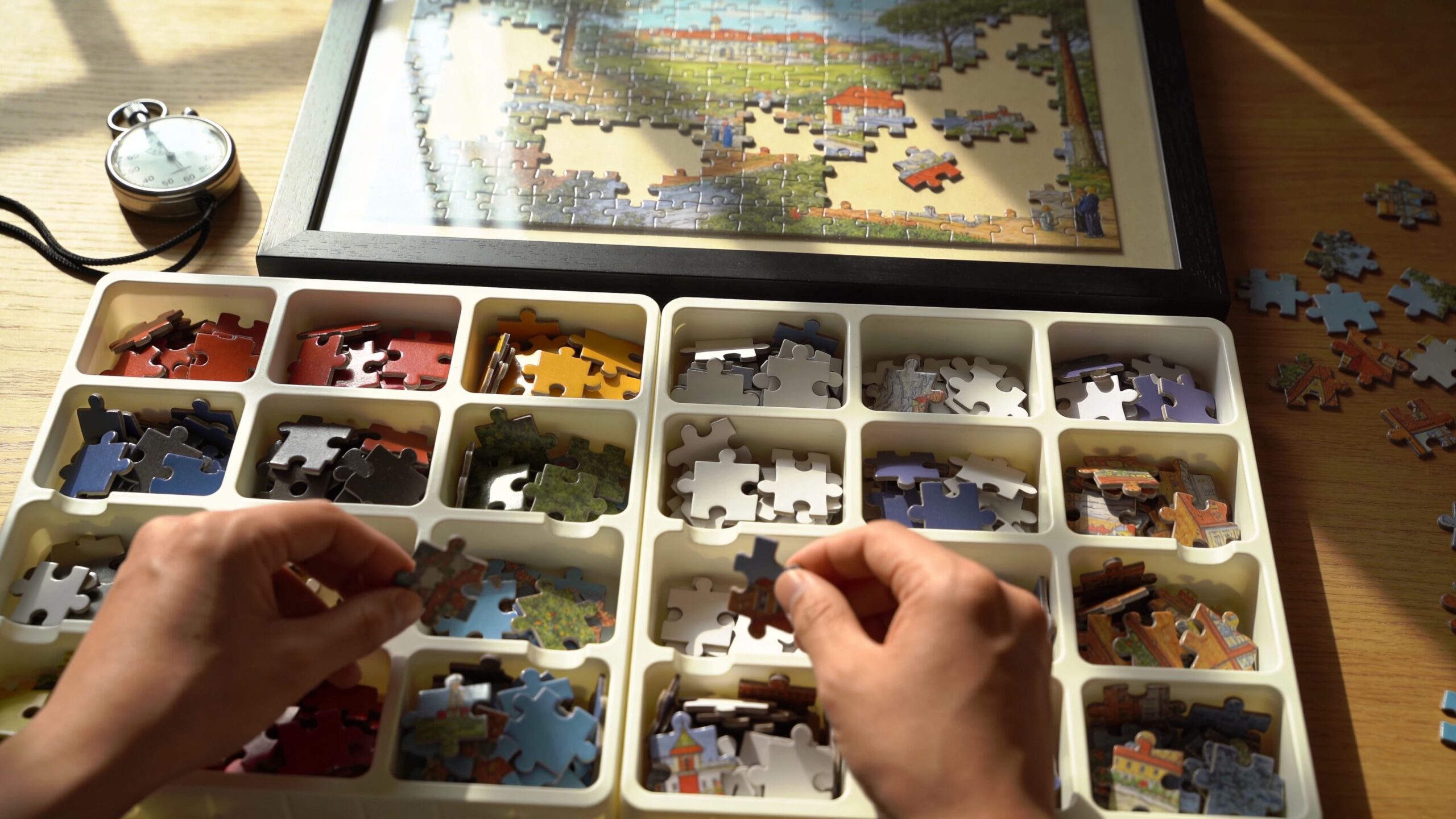
Memory is the hidden engine behind great puzzle solving. On Puzzle Streets, Memory & Recall Training dives into the techniques that help you spot patterns faster, remember what you’ve already tested, and keep your brain sharp when puzzles get dense. Whether you’re grinding through logic grids, chasing speed-solving personal bests, learning chess lines, or building jigsaw sections from scattered clues, strong recall turns hesitation into confident moves. This hub explores how top puzzlers train their minds like athletes train muscle: repetition with purpose, spaced practice, chunking information into usable “packages,” and building mental maps that don’t collapse under pressure. You’ll learn how to remember piece locations, clue relationships, common patterns, and strategy sequences—without feeling overloaded. Even better, these skills transfer across puzzle types, helping you reduce backtracking and make cleaner decisions. Expect articles packed with practical drills, memorization frameworks, and focus boosters you can use in minutes a day. If you want to solve faster, stay calmer, and keep more of the puzzle in your head at once, you’re in the right place. Train your recall—then watch your solving level up.
A: Retrieval practice—actively recalling patterns and steps beats rereading or re-scanning.
A: Keep a one-line “error rule” after each solve and apply it next session.
A: Grouping details into meaningful units (sections, patterns, constraint clusters) to remember more.
A: Short daily drills (5–10 minutes) work better than occasional long sessions.
A: Yes—pressure training improves memory reliability when it matters most.
A: Interference—too many options. Use buckets, labels, and constraint summaries to reduce it.
A: Use consistent tray positions and naming labels so location becomes a memory cue.
A: Pause briefly, choose one target cue, and search only for that cue—less noise, better memory.
A: Yes—recall, focus, and pattern recognition transfer to learning and everyday tasks.
A: Slow your breathing, reset your tempo, and return to your routine—calm supports accurate recall.