
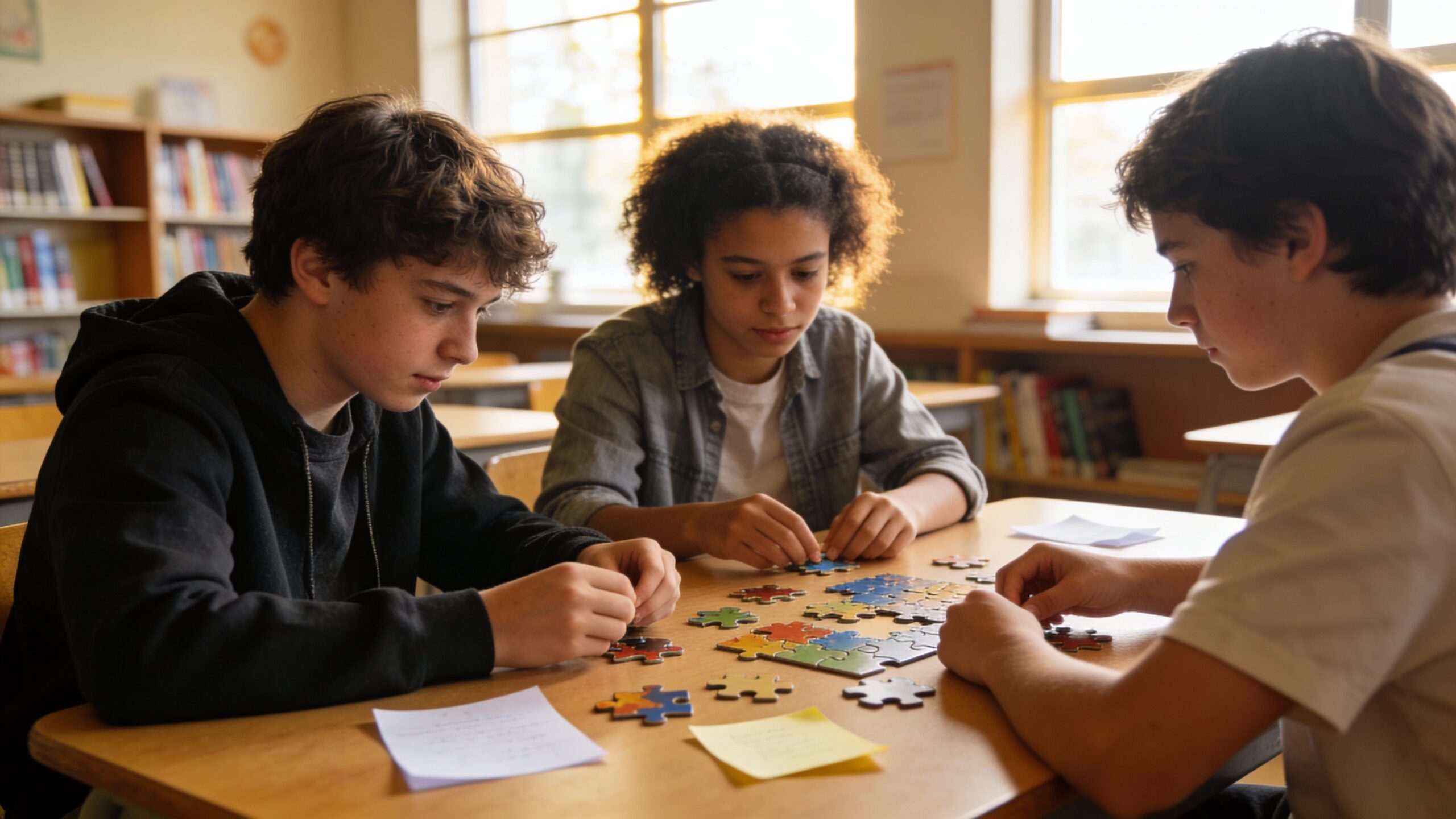
Classroom Puzzle Integration explores how puzzles can transform everyday lessons into moments of curiosity, collaboration, and discovery. When puzzles enter the classroom, learning becomes active rather than passive—students don’t just absorb information, they engage with it, test ideas, and build understanding through problem-solving. From logic challenges and word puzzles to visual reasoning games and math-based riddles, puzzles create natural opportunities for critical thinking across subjects. This space is designed for educators, curriculum planners, and curious learners who want to see how puzzles support real educational goals. You’ll discover ways puzzles reinforce concepts, encourage persistence, spark discussion, and make abstract ideas feel tangible. Whether used as warm-ups, group activities, enrichment tools, or assessment alternatives, puzzles invite students to explore mistakes safely and celebrate insight. Classroom Puzzle Integration shows how thoughtful puzzle use can boost engagement, strengthen reasoning skills, and create memorable learning experiences. These articles focus on practical strategies, classroom-tested ideas, and the subtle art of turning challenge into motivation—helping classrooms become spaces where thinking feels exciting, playful, and deeply rewarding.
A: Start small—2–3 times a week as warm-ups or stations, then expand if students respond well.
A: Normalize struggle, offer one strategic hint, and celebrate progress steps (not just final answers).
A: No—puzzles reinforce instruction by giving students a safe place to practice the concept.
A: Grade reasoning: notes, explanation, teamwork, and reflection—correctness can be optional.
A: Logic grids, visual pattern puzzles, word puzzles, and number reasoning tasks are reliable starters.
A: Assign roles, use time-boxed phases, and require one “explain it” share-out per group.
A: Use the same puzzle with layered hints and an optional challenge extension for early finishers.
A: Yes—align puzzles to skills like inference, evidence, number sense, and reasoning with constraints.
A: Choose short formats, set a timer, and stop with a quick debrief even if not fully solved.
A: Ask students to name the strategy they used and where else it could apply.