
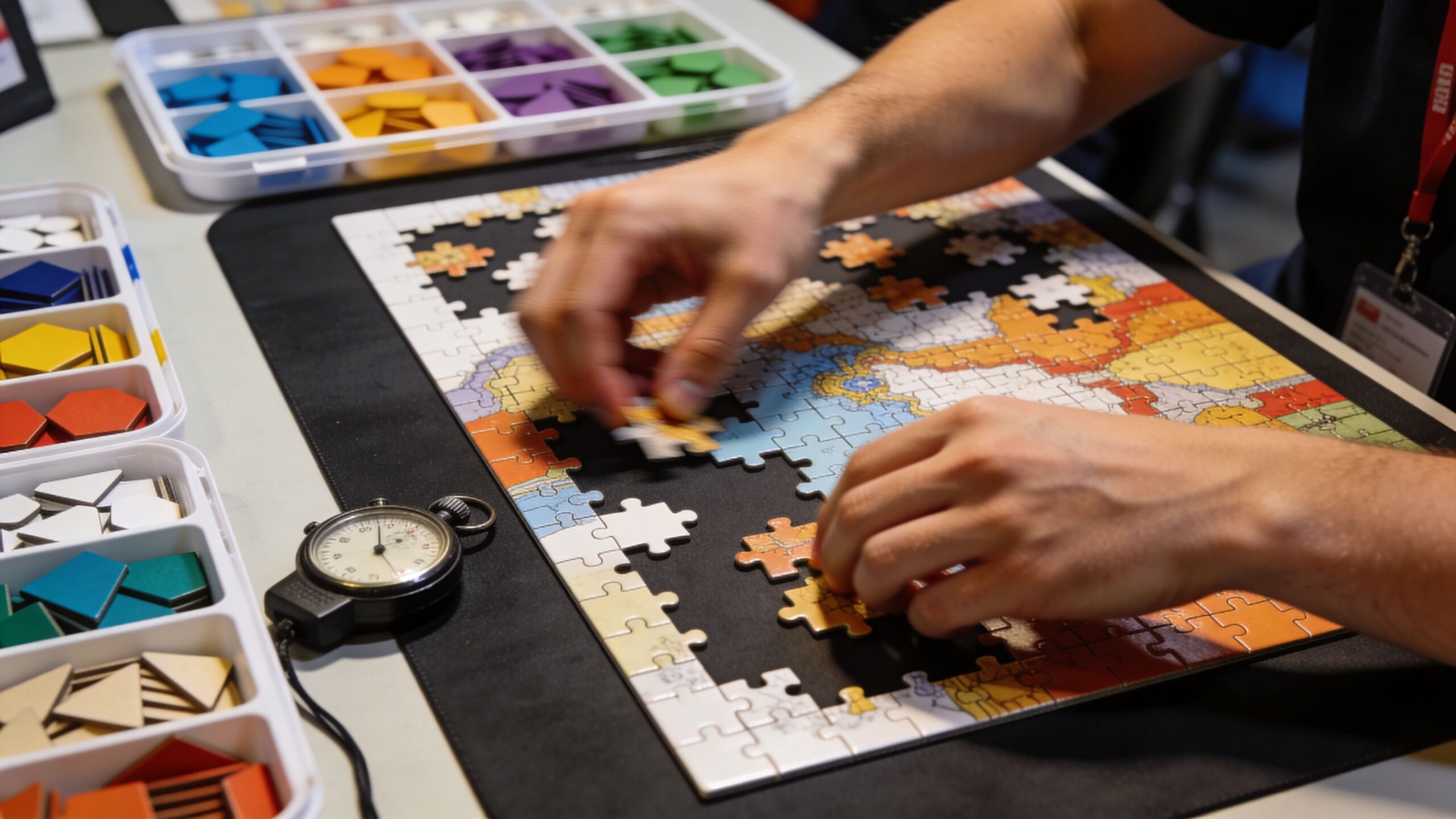
Speed solving is the art of turning chaos into a clean finish—fast. On Puzzle Streets, Speed Solving Techniques is your launchpad for shaving minutes (and sometimes seconds) off every kind of challenge, from jigsaws and logic grids to word puzzles, cubes, and timed tournament formats. This hub focuses on what elite solvers actually do: scan smarter, sort faster, commit cleaner, and recover instantly when something goes sideways. Speed isn’t just moving quickly—it’s making fewer costly decisions. The best puzzlers build momentum with repeatable routines: high-signal piece hunting, micro-sorting, constraint-first logic, and rapid verification that prevents backtracking. You’ll learn how to control your tempo, manage pressure, and use simple process upgrades that compound over time. Whether you’re training for a competition or just chasing personal bests at home, these articles break down the techniques that turn “almost solved” into “done.” Expect practical drills, proven workflows, and strategy swaps for different puzzle types—because the clock rewards efficiency, not luck. If you love that adrenaline surge when everything clicks, welcome in. Your fastest solves start here.
A: Pull anchors: corners/edges and the most distinctive features before detailed sorting.
A: Sort into fewer, smarter buckets and scan by one cue at a time.
A: Options converge—re-sort leftovers into micro-features to shrink choices.
A: Use two-cue confirmation and quick seam/pattern verification passes.
A: Short timed sprints build speed; occasional long sessions build endurance.
A: Two to three timed sessions per week is enough for steady improvement.
A: Yes—trays, lighting, and a clean layout reduce searching and mistakes.
A: Calm tempo, quick pivots, and trust your routine—panic causes forced errors.
A: Only with clear roles and a shared sorting language; otherwise coordination slows you down.
A: Time-box stalls—pivot early and keep momentum moving.