A Good Puzzle Review Checklist Measures Fit, Fairness, Build Quality, and Lasting Enjoyment
A puzzle can look attractive on a shelf and still be the wrong choice for a solver. A strong review checklist looks beyond theme and asks how the challenge works in practice: what the goal is, how clearly progress appears, whether the difficulty feels earned, how the components hold up, and whether the experience gives people a reason to remember it after the answer is found.
A: Identify the goal, list the given information, and look for the clearest constraint.
A: Testing is useful; unsupported guessing is usually less helpful than narrowing possibilities.
A: Use one after you have tried several fair approaches and no longer have a testable idea.
A: The answer should make earlier clues feel purposeful once explained.
A: Change methods: sort, draw, reread, explain aloud, or step away briefly.
A: Not always. The best puzzle is the one whose difficulty fits the solver and setting.
A: Teams combine observation, memory, organization, and different puzzle habits.
A: Clear goals, fair constraints, useful feedback, and an earned breakthrough.
A: They can practice specific skills, especially when the challenge is varied and sustained.
A: Notice which clues mattered, which assumptions failed, and which method helped most.
Start With the Intended Solving Experience
The first review question is not whether the puzzle is clever in the abstract. It is who the puzzle is for and what kind of experience it promises. A quiet solo logic puzzle, a party-friendly deduction game, a display-worthy mechanical object, and a timed escape-room kit need different standards.
A review becomes more useful when it describes the setting where the puzzle works best. Some puzzles reward a long table, patient note taking, and repeated attempts. Others are strongest as a gift, a travel challenge, a classroom prompt, or a group activity where several people can contribute without waiting for a turn.
Fit also includes practical constraints. Age range, reading level, hand strength, color vision, table space, noise level, reset time, and the ability to pause all affect the real experience. A puzzle that matches the wrong setting can feel worse than it actually is.
For a puzzle review checklist, the start with the intended solving experience question is practical because a puzzle lives or dies in the moment someone tries to use it. Strong evaluation watches the actual sequence of actions: what gets noticed first, where progress stalls, what confirms a theory, and whether the final step feels connected to the clues already in view.
That kind of detail is especially important for a puzzle review checklist because puzzle quality is often felt through small moments rather than one dramatic reveal. The first useful clue, the first corrected mistake, and the point where the solution begins to organize itself all show whether start with the intended solving experience has been designed with care.
Judge Fairness Before Difficulty
Difficulty is only valuable when it grows from fair constraints. A hard puzzle can be wonderful if the clues are present, the rules are stable, and failed attempts teach something. A puzzle becomes frustrating when the answer depends on a private assumption, a hidden convention, or a leap that cannot be rebuilt from the materials.
Fairness does not mean obviousness. It means that the path can be defended after the solve. The reviewer can ask whether a careful solver would have a reasonable chance to notice the key relationship, eliminate wrong ideas, and recognize why the final answer fits better than alternatives.
A fair puzzle often produces a satisfying click. The last move may still be surprising, but it makes earlier clues look more meaningful instead of making the solver feel tricked by missing information.
The same standard helps separate taste from design quality. Someone may prefer one theme, format, or difficulty level, but judge fairness before difficulty can still be judged by how clearly the challenge sets expectations, rewards careful attention, and avoids making accidental friction look like depth.
A balanced approach also protects enjoyment. If judge fairness before difficulty is too thin, the puzzle may feel random; if it is too heavy, the experience may feel like homework. The strongest version gives enough structure to guide attention while still leaving room for personal discovery.
Look at Components and Presentation
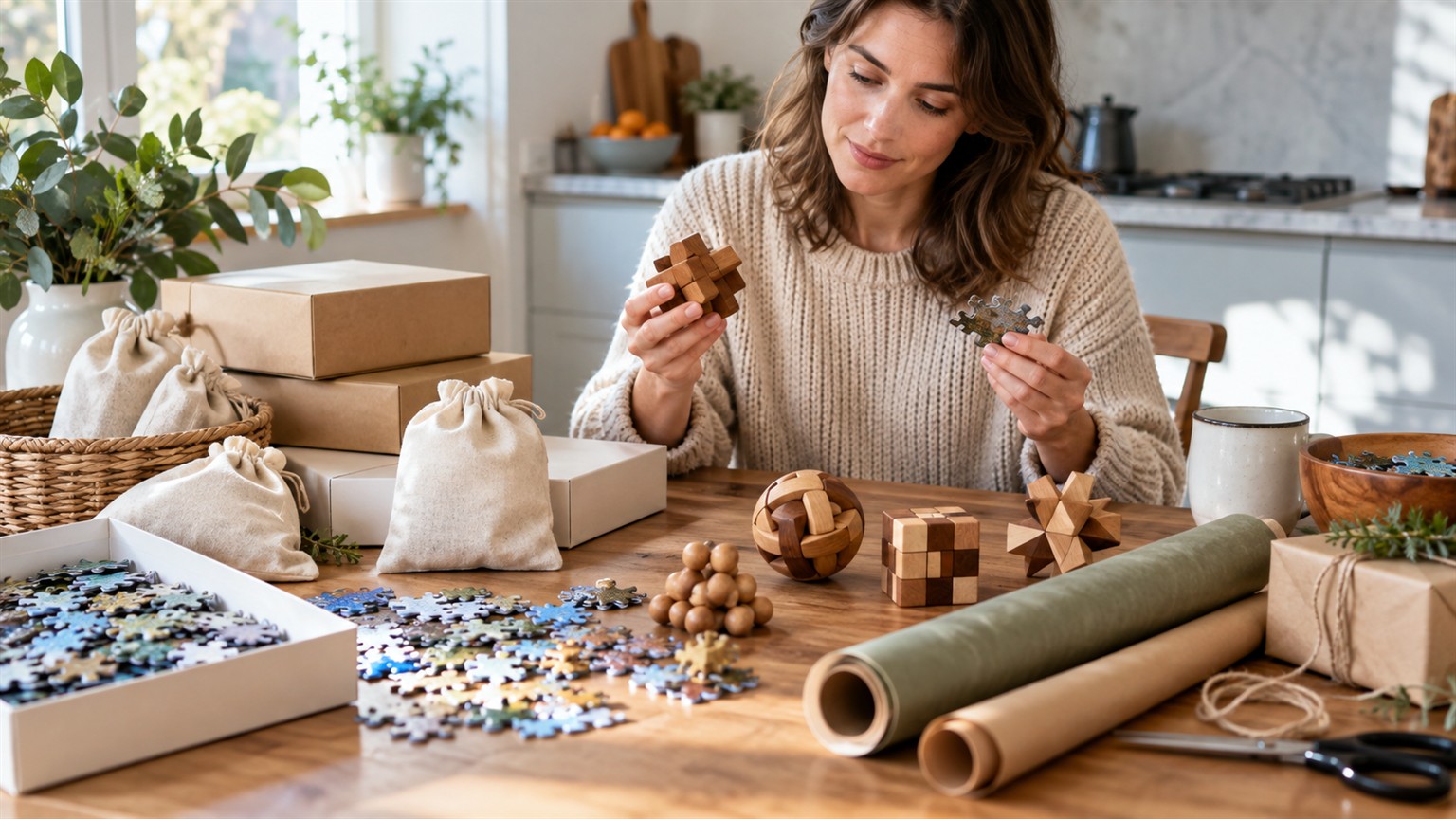
Physical quality matters because puzzles are handled, sorted, turned, stacked, written on, displayed, and reset. Printing needs to be readable. Pieces need to fit without being loose or brittle. Boxes, bags, trays, cards, and instructions need to protect the experience instead of creating clutter.
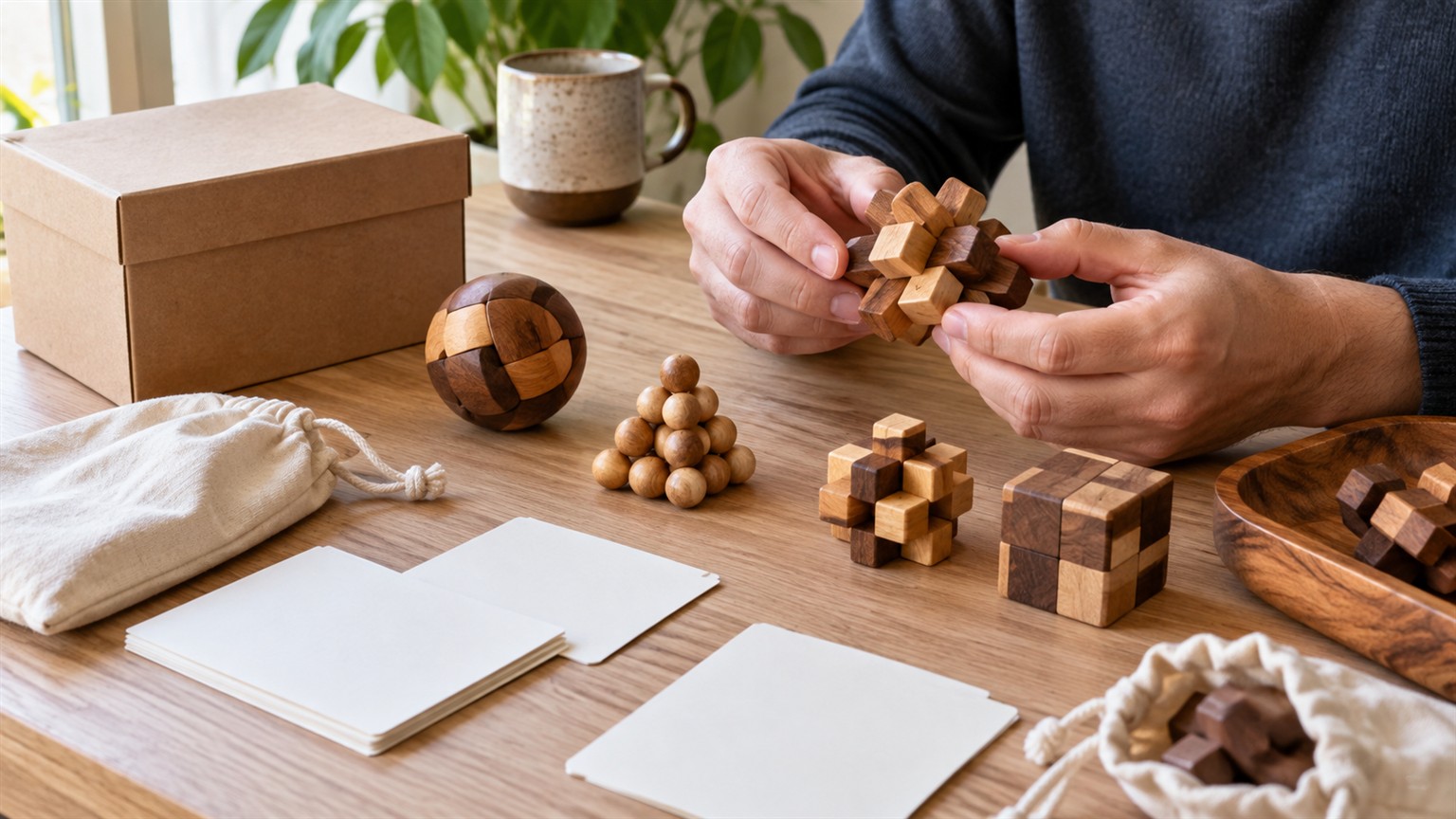
For mechanical puzzles, tolerances are part of the design. A lock, burr puzzle, sequential discovery object, or disentanglement puzzle can be ruined by stiffness, looseness, sharp edges, or imprecise movement. For paper and visual puzzles, contrast, alignment, font choice, and diagram clarity can make the difference between challenge and eye strain.
Presentation also frames expectation. Good packaging explains the type of puzzle without spoiling the method. It helps buyers understand whether they are choosing a display object, a reusable challenge, a one-time mystery, or a collection piece.
This part of the experience also affects trust. When look at components and presentation is handled cleanly, solvers are more willing to slow down, revise assumptions, and keep working through uncertainty because the puzzle has shown that careful effort is likely to matter.
This is also where comparison helps. Looking at similar puzzles in the same format can reveal whether look at components and presentation is ordinary, unusually elegant, overly complicated, or poorly supported by the materials. Context keeps the judgment from depending on one first impression.
Check the Learning Curve
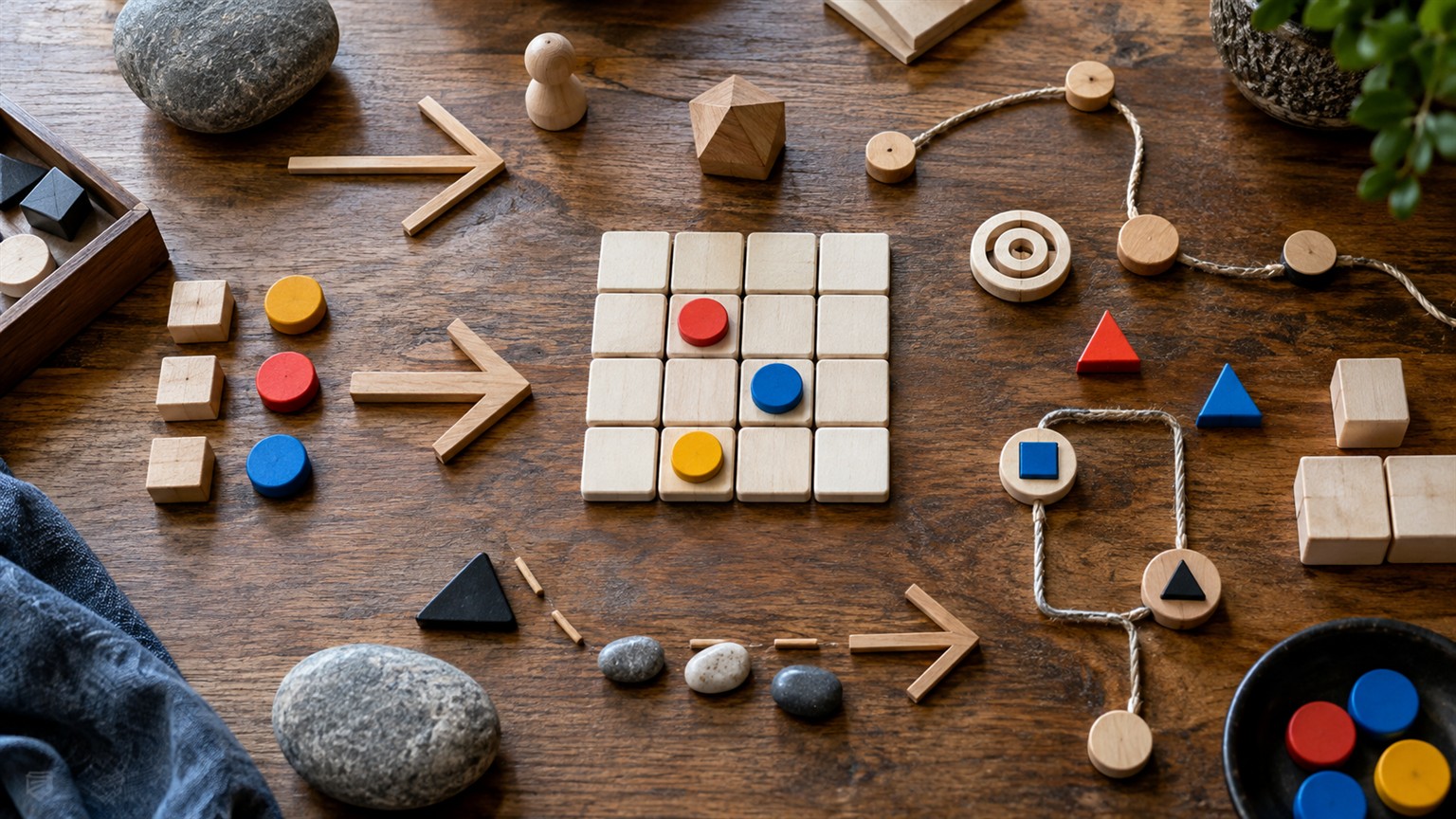
A strong puzzle usually gives the solver a way into the problem. Early observations may be simple, but they create momentum and teach the rules of the challenge. When a puzzle hides too much at the beginning, the solver may not know whether to inspect, manipulate, calculate, search, or simply guess.
The middle of the puzzle matters just as much. Good design offers meaningful progress rather than a long flat stretch of uncertainty. That can come from staged discoveries, narrowing options, visible pattern growth, or a mechanical sequence that reveals why earlier moves were necessary.
The final step needs proportion. A tiny last trick after a large buildup can feel disappointing, while a huge unsupported leap can feel unfair. The best ending makes the puzzle feel complete without making the earlier work irrelevant.
A useful test is to imagine the solve being explained after completion. If check the learning curve can be described in plain language and the important details still make sense, the design is usually stronger than one that depends on surprise alone.
Solvers often forgive difficulty when they can see the reason for it. They are less forgiving when check the learning curve creates confusion that does not lead anywhere. A good puzzle lets effort accumulate so that even wrong turns teach something useful.
Separate Originality From Novelty
Originality is not the same as being strange. A puzzle can use familiar ingredients and still feel fresh through elegant constraints, unusual presentation, strong theme integration, or a particularly satisfying sequence of discoveries. Novelty alone fades if the underlying solve is thin.
A useful checklist asks whether the puzzle adds something meaningful to its category. Does it combine ideas well? Does the theme affect the logic? Does the mechanism teach the solver a new way to think? Does the puzzle avoid copying a common trick without improvement?
Collectors may value historical importance or rare construction, while casual solvers may value memorable play. A review can respect both by naming what is new, what is traditional, and what actually improves the experience.
The buying or review decision becomes easier when separate originality from novelty is tied to a real use case. A family table, classroom, collector shelf, escape-room night, travel bag, or solo evening can change which strengths matter most.
For buyers, this detail can prevent waste. A puzzle that handles separate originality from novelty well is more likely to be finished, shared, displayed, or remembered. A puzzle that handles it poorly may sit half-open even if the basic idea sounded appealing.
Evaluate Replay and Sharing Value
Some puzzles are one-time mysteries, and that is acceptable when the experience is strong enough. Others can be reset, displayed, taught, replayed, or solved again by a different person. Replay value depends on more than whether the answer is forgotten.
A puzzle may earn long-term value by being enjoyable to explain, beautiful to display, useful for practice, or flexible enough for group settings. Even a solved puzzle can remain valuable when it becomes a reference for design, craft, or a memorable solving moment.
A review should be honest about spoilers and reset. If pieces need careful repacking, if clues are consumed, if the answer is obvious forever, or if the puzzle can be passed to friends, that information matters to the purchase decision.
Good puzzle judgment also leaves room for different skill levels. Evaluate replay and sharing value may feel simple to an expert and demanding to a newcomer, so the better question is whether the puzzle gives each person a fair way to understand what kind of work is being asked.
For designers, the same point becomes a build note. Testing evaluate replay and sharing value with people who have not seen the answer can expose missing cues, unclear wording, awkward handling, or a difficulty spike that the maker stopped noticing after repeated work.
Consider Accessibility and Friction
A puzzle can be intellectually fair and still difficult to use. Tiny print, low contrast, delicate pieces, unclear instructions, language-heavy clues, awkward locks, and strict time pressure can exclude solvers for reasons unrelated to the intended challenge.
Accessibility is not only a courtesy feature. It affects quality. Clear typography, stable components, readable diagrams, good color contrast, alternate clue paths, and sensible hint systems help more people enjoy the puzzle without lowering the standard.
Friction should be purposeful. A tricky mechanism, hidden relation, or subtle pattern can be part of the fun. Poor usability, weak materials, and vague rules are not the same kind of difficulty.
The strongest examples make small details feel intentional. In a puzzle review checklist, consider accessibility and friction is not a side issue; it shapes how the puzzle teaches its own rules, protects momentum, and turns effort into a satisfying sense of discovery.
For reviewers, consider accessibility and friction gives the article something concrete to describe. Instead of relying on vague praise, the review can name how the puzzle behaves, where it succeeds, and what kind of solver will get the most from it.
Score With Evidence
A good review score should explain itself. Instead of saying a title is excellent or disappointing, the reviewer can connect the score to observed traits: fair clueing, strong components, clean pacing, memorable insight, weak reset, confusing rulebook, or limited replay.
Different solvers care about different things, so a single score is less useful than a clear profile. A puzzle might be great for patient logic fans and poor for fast party play. It might be beautiful but fragile, brilliant but expensive, or approachable but too easy for experts.
The best checklist leaves the buyer with a practical decision. It names who will enjoy the puzzle, who may bounce off it, and what tradeoff matters most before money or time is spent.
That is why a careful look at score with evidence can reveal more than a quick star rating. It shows whether the puzzle has been built for real solving, not just for an attractive photograph, clever label, or impressive claim on the box.
That practical focus keeps a puzzle review checklist grounded. The goal is not to flatten every puzzle into a formula, but to notice whether the design supports curiosity, patience, and the satisfying moment when separate details begin to fit together.
How to Use A Puzzle Review Checklist in Real Solving
The practical value of a puzzle review checklist appears when someone has to choose, solve, teach, or discuss a puzzle without relying on marketing copy. A useful article gives that person a set of checks they can apply immediately: what the puzzle asks for, how progress appears, what kind of difficulty is present, and whether the materials support the idea.
This matters because puzzle enjoyment is easy to misread from the outside. A box, screenshot, or display photo can show theme and style, but it cannot fully show pacing, frustration, clue quality, or the moment when the solution begins to make sense. A puzzle review checklist becomes more useful when it connects those hidden parts of the experience to visible buying or solving choices.
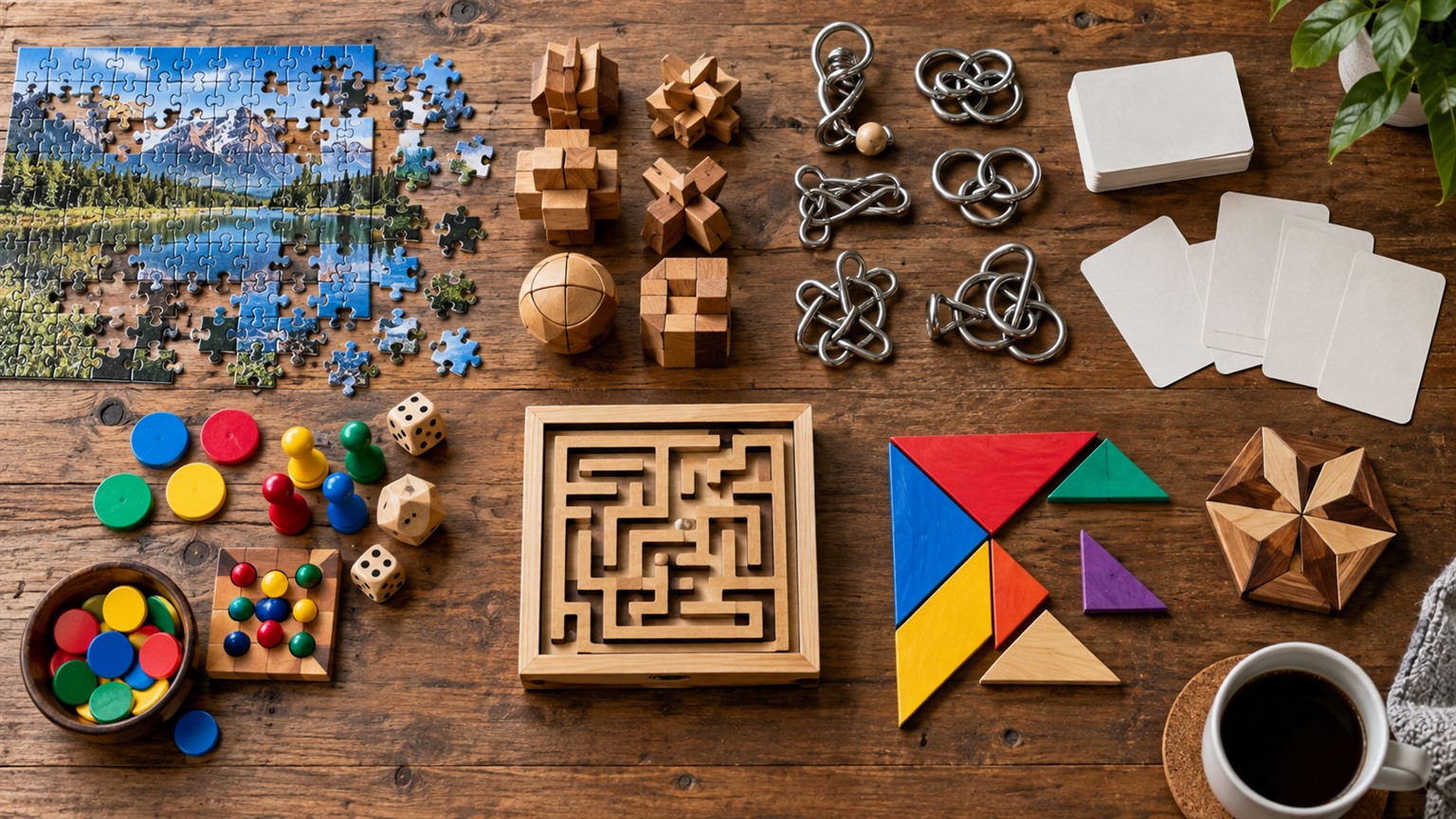
Another practical habit is comparison. Looking at two similar puzzles side by side often reveals which one has cleaner rules, better feedback, stronger components, or a more satisfying difficulty curve. The comparison does not need to declare one puzzle universally better; it only needs to show which puzzle fits a specific person or occasion.
That perspective is useful for both casual solvers and dedicated puzzle fans. Casual solvers need help avoiding frustration, while experienced solvers often want to know whether a puzzle offers a new mechanism, cleaner clue chain, stronger object quality, or a more elegant way to think. A puzzle review checklist can serve both groups when it names the actual experience instead of leaning on hype.
The final test is whether the puzzle creates a good memory after the answer is known. A strong challenge leaves people talking about the insight, the craft, the surprise, or the way the pieces came together. A weak challenge is remembered mostly for confusion. That difference is why careful puzzle evaluation is worth doing before time, money, or group attention is spent.
When that standard is applied consistently, a puzzle review checklist becomes easier to trust. The article gives people enough context to choose, compare, solve, and explain puzzles with more confidence.
Bottom Line on Reviewing Puzzle Value
A puzzle is worth buying when its challenge, materials, presentation, and use case support one another. The best reviews do not reduce that judgment to cleverness alone.
A careful checklist protects the buyer from shiny packaging and vague praise. It also gives good puzzles the credit they deserve by showing exactly why the experience works.