Great Escape Rooms Feel Like Entering a Designed World
The best escape room experiences around the world are not simply rooms with locks. They feel like complete designed worlds, where story, space, puzzles, sound, lighting, and host timing work together. A world-class room can be theatrical without becoming confusing, challenging without becoming hostile, and cinematic without forgetting that players still need fair puzzles to solve. For travelers and puzzle fans, the goal is not just finding the highest-ranked room. It is finding the experience whose style matches the team, the trip, and the kind of memory everyone wants to carry home.
A: A world-class room combines fair puzzles, strong immersion, excellent hosting, and a memorable ending.
A: Rankings help, but team fit, language, theme, and travel logistics matter too.
A: Most teams do better with fewer, better-spaced rooms than a rushed marathon.
A: Only if everyone actively wants that intensity and the venue handles consent well.
A: Language, booking window, location, accessibility, and recommended group size.
A: No; design quality matters more than production budget alone.
A: Read broad impressions, not walkthroughs or detailed puzzle descriptions.
A: Usually the venue's recommended size, not the maximum capacity.
A: Sometimes, but age, fear level, and puzzle complexity should be checked.
A: It should resolve the story and make the team's choices feel meaningful.
Why Rankings Are Only the Starting Point
Global escape room rankings and enthusiast awards are useful because they surface venues that experienced players respect. They can point travelers toward ambitious set design, polished hosting, and rooms that have impressed many teams. Still, a ranking is not a personal itinerary. A room praised for horror intensity may be wrong for a group that wants wonder. A room celebrated for hard logic may frustrate a casual vacation team.
Use rankings as a map, not a command. The best choice is the room that fits your players, your language comfort, your travel schedule, and the emotional tone you want from the day. A good escape room trip should feel curated, not collected.
Immersion Is More Than Expensive Props
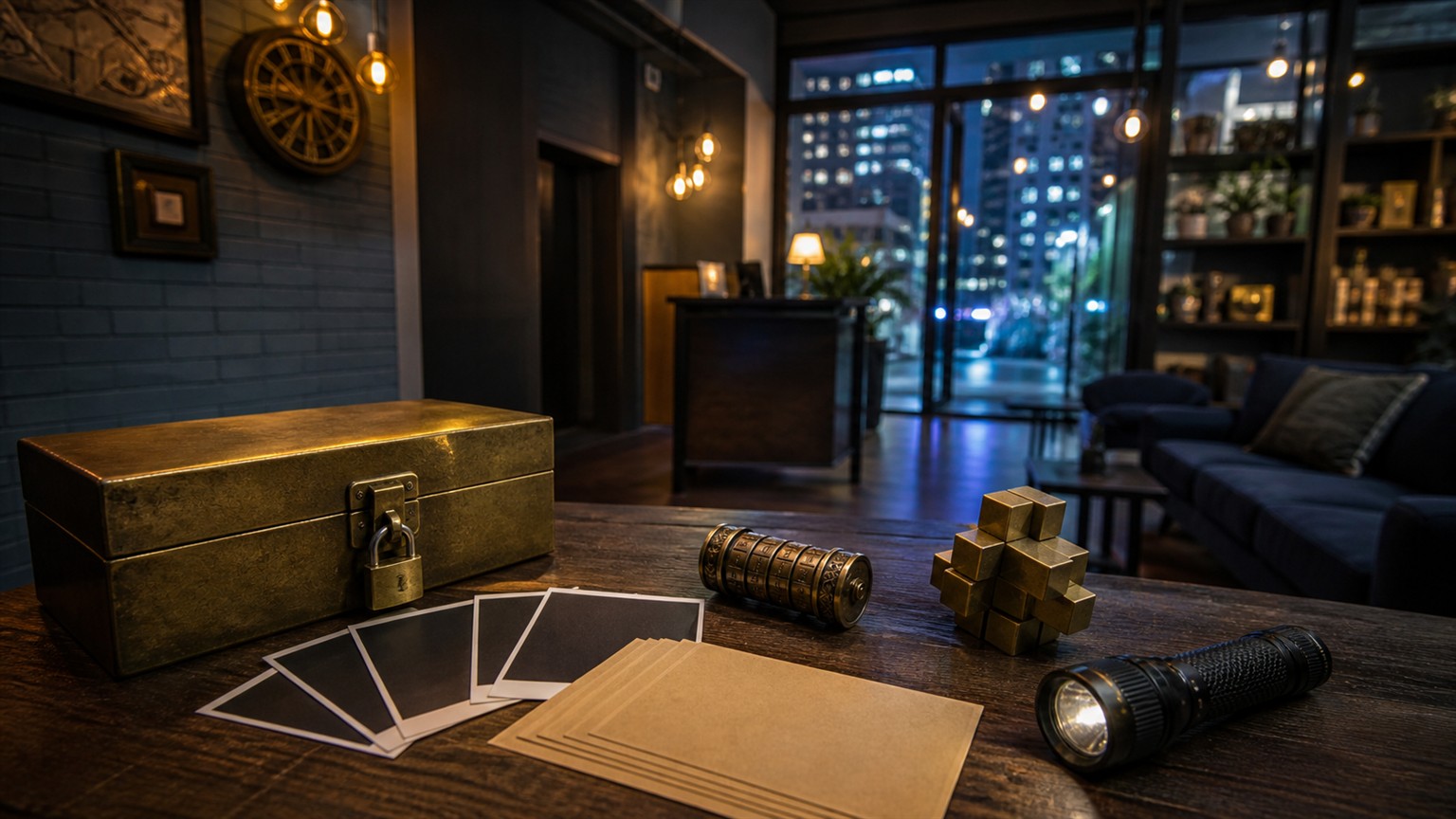
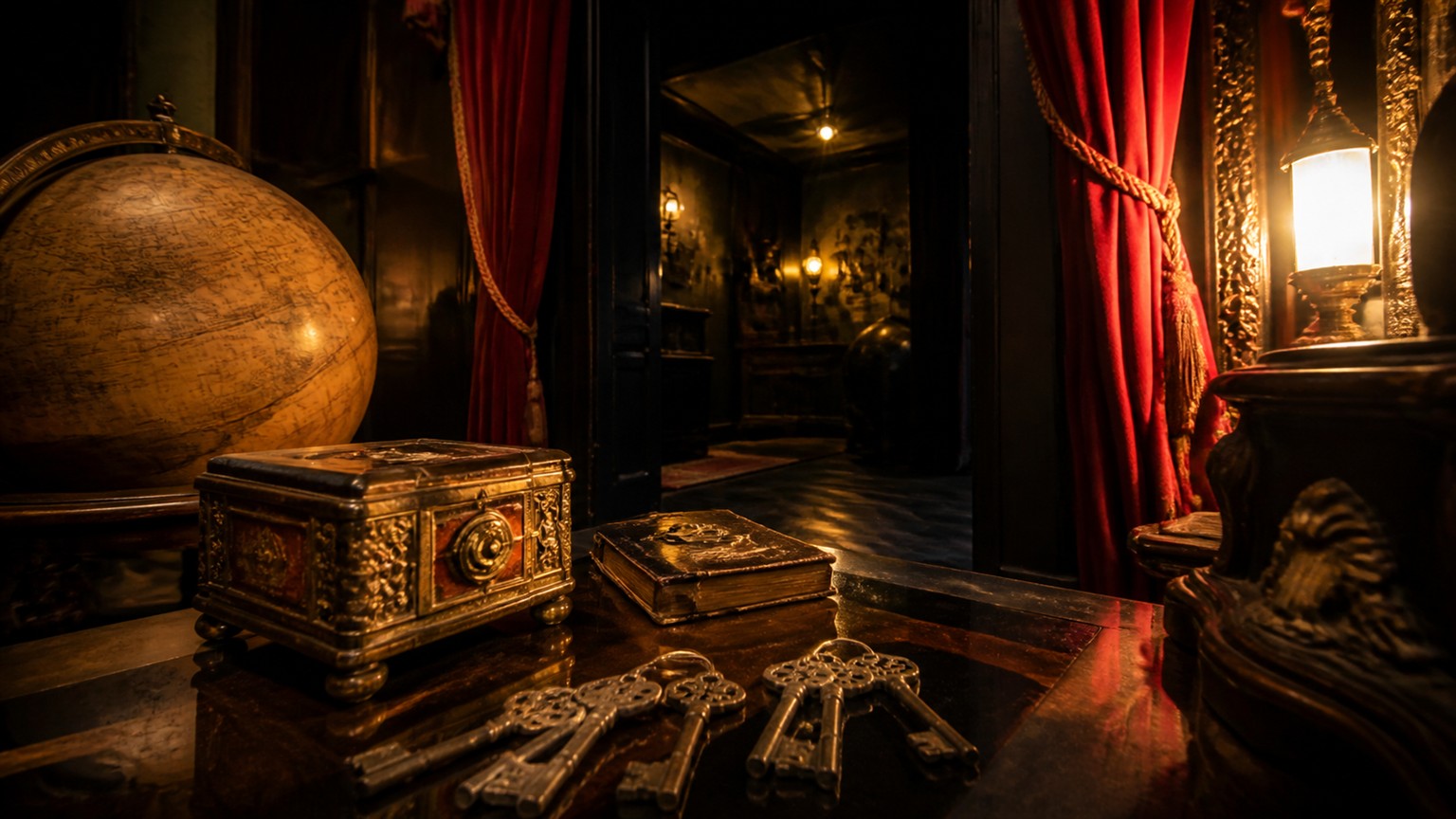
Immersion begins when every visible element feels intentional. The desk, wall texture, keys, sound cues, containers, and hidden mechanisms should all belong to the same imagined world. Expensive props help only when they support that world. A modest room with coherent design can feel more immersive than a large room full of disconnected spectacle.
The strongest rooms hide their engineering gracefully. Players should feel that they are opening a secret drawer, restoring a machine, translating a ritual, or investigating a scene, not merely triggering a device because the designer needed another step.
Puzzle Fairness Travels Across Cultures
International escape rooms can differ in style, humor, clue language, and expected player behavior. Some venues lean theatrical, some mechanical, some narrative, and some brutally logical. Fairness is the common standard that travels across those differences. A fair puzzle gives players enough information to make progress without reading the designer's mind.
When playing abroad, language matters. A room with heavy written clues may be brilliant for native speakers and frustrating for visitors. Travelers should ask whether the room is playable in their language or whether the puzzles are mostly physical and visual.
Hosting Can Make or Break the Experience
A great host does more than deliver rules. They set the tone, notice the team's rhythm, and give hints that preserve discovery. A clumsy hint can spoil a satisfying realization. A delayed hint can leave a team stuck long enough for energy to collapse. The best hosts understand timing as part of the design.
This is especially important in destination rooms. Travelers may have one chance to play a famous experience. Good hosting protects that investment by helping the team stay immersed and appropriately challenged.
Production Value Should Serve Play
Large sets, moving walls, theatrical reveals, and special effects can be thrilling. They become memorable when they create new puzzle possibilities or emotional beats. They become noise when they distract from the work players came to do.
A world-class room usually balances spectacle with legibility. Players should know what changed, what is safe to touch, and where attention belongs. The room can surprise them without leaving them disoriented.
The Best Rooms Create Team Stories
After a great room, teams remember more than the final time. They remember who spotted the hidden pattern, who stayed calm during a frantic sequence, who solved a tactile mechanism, and who made the connection that opened the finale. These personal stories are the real souvenir.
That is why team fit is so important. A room that gives everyone a role will feel better than one where two experts solve everything while others watch. Strong design distributes attention and lets different kinds of intelligence matter.
How to Build an Escape Room Travel List
Start with the city, then identify a short list of rooms that match your team. Look at spoiler-free enthusiast comments, venue descriptions, age guidance, group size, language, physical requirements, and cancellation rules. Then choose variety: perhaps one cinematic adventure, one clever compact room, and one locally distinctive theme.
Leave breathing room in the schedule. Escape rooms are intense, and the best ones deserve conversation afterward. Rushing directly into the next booking can flatten the memory you traveled to create.
What to Avoid When Booking Abroad
Avoid assuming that every venue uses the same rules. Some rooms may include live actors, crawling, darkness, loud effects, or limited accessibility. Others may use older lock-heavy design that enthusiasts now consider dated. None of these features is automatically bad, but they should be chosen knowingly.
Also avoid overtrusting translated descriptions. If a detail matters, ask the venue directly. A short message before booking can prevent a disappointing mismatch.
A Strong Room Respects the Player
Respect shows up in fairness, safety, consent, clue clarity, and reset quality. Players should feel challenged, not tricked. They should feel surprised, not physically unsafe. They should feel that the room wants them to succeed by thinking well, not by guessing what the staff intended.
This respect is why the best escape rooms stay beloved. They invite players into a world and then treat their attention as valuable.
Regional Style Adds Flavor
One of the pleasures of playing escape rooms while traveling is noticing regional style. Some cities favor theatrical performance and dramatic reveals. Others are known for mechanical engineering, dense puzzle flow, horror craft, or intimate narrative rooms. A room can feel world-class partly because it reflects the local creative scene.
Travelers should not look only for rooms that resemble what they already know. A destination experience may be memorable because it plays differently from the rooms back home. Local flavor can make even a familiar puzzle structure feel fresh.
Why Spoiler-Free Research Matters
Escape rooms are fragile experiences because discovery is the point. Reading too much can drain the surprise before the booking happens. The safest research focuses on quality signals: hosting, immersion, difficulty fairness, accessibility, language, and emotional tone.
Avoid detailed walkthroughs, photos of hidden mechanisms, and reviews that describe exact solves. A world-class room deserves to be encountered with the team's curiosity intact.
Balance Famous Rooms With Practical Joy
It can be tempting to build a trip entirely around famous rooms, but travel fatigue is real. Transportation, meals, jet lag, group energy, and appointment pressure can make even a brilliant room feel like a chore if the day is packed too tightly.
A better plan mixes one must-play booking with easier local choices and time to decompress. The memory of a great room improves when the team has enough energy to enjoy it fully.
What Enthusiasts and Casual Players Notice Differently
Experienced players often notice originality, puzzle economy, reset precision, and how elegantly a room avoids common design clichés. Casual players may notice story, atmosphere, staff warmth, and whether everyone had something to do. Both perspectives are valid.
When choosing a room for a mixed group, read reviews from both angles. A room beloved by experts may still be too dense for a celebration group. A charming mainstream room may be perfect for the occasion even if enthusiasts consider it simple.
How Great Rooms Handle Hints
Hinting is one of the hidden arts of escape room design. A great room does not treat hints as a punishment or a break in the world. It makes guidance feel like part of the experience, whether through a character, a radio, a screen-free prop, or a subtle host intervention.
The best hints restore movement without taking away the solve. They aim the team's attention, reveal a missed assumption, or confirm that players are working in the right area. When done well, a hint leaves the team feeling supported rather than rescued.
The Role of Physicality
Some of the world's most memorable rooms use physical movement: crawling through a passage, lifting an object, turning a heavy mechanism, searching a set, or coordinating actions across spaces. Physicality can make the world feel real, but it must be designed with safety and consent.
A room does not need intense physical demands to be great. What matters is whether the physical action feels meaningful. Pulling a lever should feel connected to the story or puzzle, not added merely because the room needed excitement.
Why Endings Matter So Much
Escape room endings carry unusual weight because the whole session points toward them. A weak ending can make an otherwise strong room feel unfinished. A great ending gathers the story, the teamwork, and the final puzzle into one satisfying release.
The finale does not always need to be loud. It can be a quiet reveal, an emotional discovery, a clever mechanical opening, or a final collaborative sequence. What matters is closure. Players should feel that they arrived somewhere, not simply that the timer stopped.
A Travel-Friendly Evaluation Method
When comparing rooms in a city you may never visit again, use a simple three-part evaluation: trust, fit, and uniqueness. Trust asks whether the venue seems professional. Fit asks whether the room matches your team. Uniqueness asks whether this experience offers something you cannot easily play at home.
This method keeps decisions grounded. It prevents travelers from booking only by hype or only by convenience. The best room for a trip usually scores well on all three.
When a Room Becomes a Destination
A room becomes a destination when people would travel for it even without a broader trip. That usually means the experience offers something rare: exceptional theatrical design, a deeply original mechanism, a powerful story, or puzzle flow that enthusiasts describe with unusual affection.
Destination rooms are not always the largest rooms. Sometimes they are compact experiences with perfect pacing. Sometimes they are strange local experiments that could only have been built by that specific team. The common thread is distinctiveness.
How to Preserve the Memory
After a world-class room, take a few minutes before checking phones or rushing to the next plan. Talk through favorite moments while they are fresh. Who noticed what? Which solve felt best? Which reveal changed the energy of the room?
This reflection is part of the value of escape room travel. The room disappears after the hour, but the team story stays. Giving the story a little space helps the experience last.
A Note on Personal Taste
The best room is still partly personal, especially for travelers balancing thrill, beauty, comfort, and puzzle density.
Conclusion: Choose the Experience, Not the Trophy
The best escape room experiences around the world are worth seeking out, but the smartest travelers choose experiences rather than trophies. Rankings, awards, and reputation can guide the search, but they should not replace judgment.
Look for rooms with immersive worlds, fair puzzle flow, strong hosting, and a theme your team genuinely wants to inhabit. That combination is what turns an hour in a locked room into a travel memory.