Great Head-to-Head Puzzles Test Skill Without Muddying Fairness
The best competitive puzzle formats for head-to-head play make comparison feel fair. Two players or teams face similar information, clear rules, and a meaningful test of speed, accuracy, strategy, or composure. A good competitive puzzle does not simply reward whoever shouts first or guesses fastest. It creates pressure while preserving the integrity of the solve. That balance is what makes head-to-head puzzle play exciting for competitors and understandable for spectators.
A: Identify the goal, list the given information, and look for the clearest constraint.
A: Testing is useful; unsupported guessing is usually less helpful than narrowing possibilities.
A: Use one after you have tried several fair approaches and no longer have a testable idea.
A: The answer should make earlier clues feel purposeful once explained.
A: Change methods: sort, draw, reread, explain aloud, or step away briefly.
A: Not always. The best puzzle is the one whose difficulty fits the solver and setting.
A: Teams combine observation, memory, organization, and different puzzle habits.
A: Clear goals, fair constraints, useful feedback, and an earned breakthrough.
A: They can practice specific skills, especially when the challenge is varied and sustained.
A: Notice which clues mattered, which assumptions failed, and which method helped most.
Fairness Comes First
Competitive puzzle play rises or falls on fairness. If players believe the materials, rules, or scoring are uneven, the result loses meaning. The puzzle may still be fun, but it no longer feels like a credible contest.
Fairness does not require every format to be identical. It requires the challenge to be balanced and transparent. Players should understand what is being tested and how success will be judged.
Speed Formats Need Accuracy Guards
Speed is exciting because it creates visible pressure. Crossword races, Sudoku sprints, and pattern rounds can become thrilling when players move quickly. But speed without accuracy guards becomes messy. Guessing should have consequences.
Penalties, validation steps, or accuracy scoring keep the contest honest. A player who finishes first but makes many errors should not automatically beat a careful solver in a format meant to test skill.
Logic Formats Reward Composure
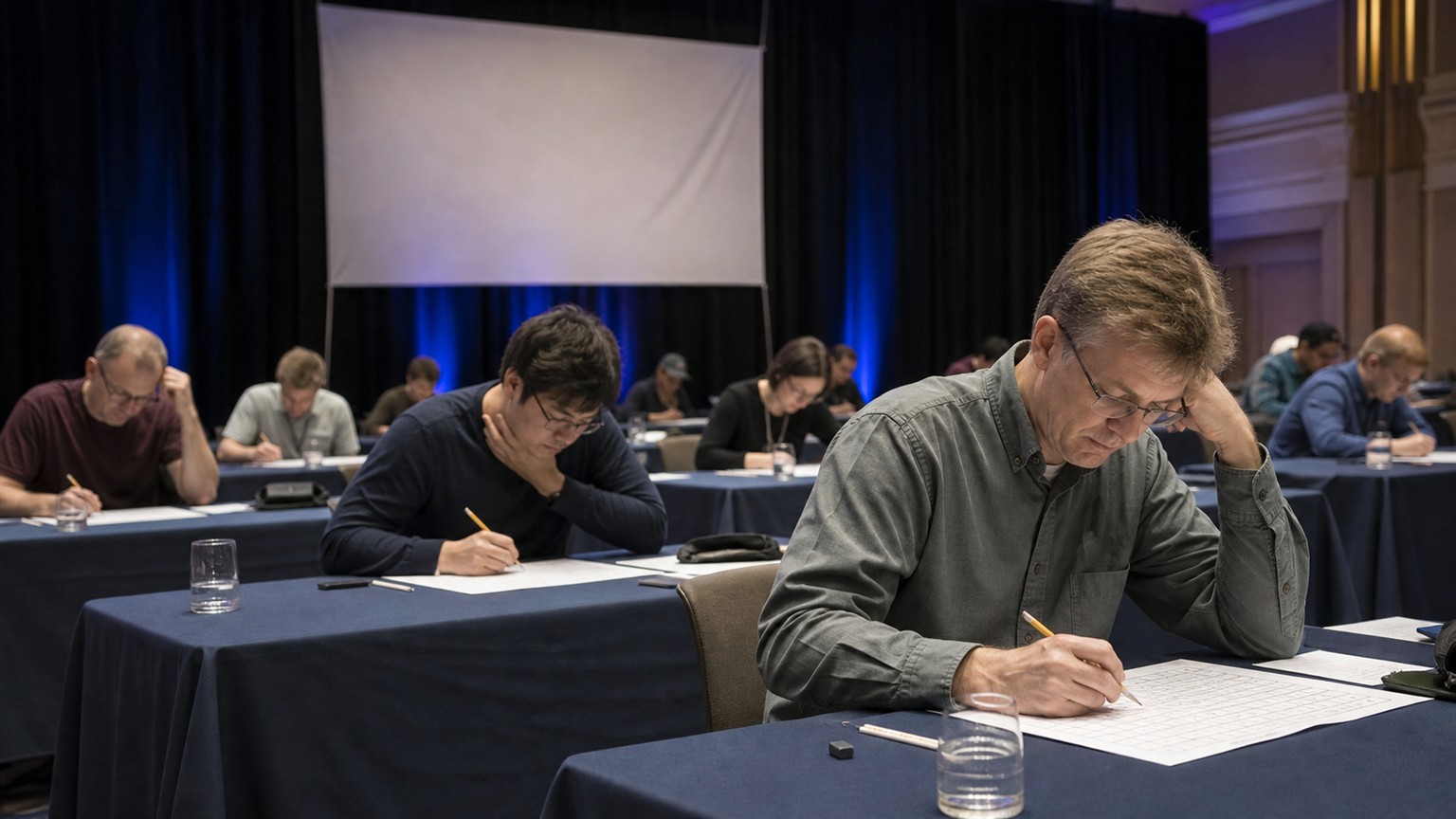
Logic puzzles make strong competitive formats because they punish panic. A player under pressure must still track constraints, avoid contradictions, and recover from wrong turns. The mental game becomes visible.
These formats are especially satisfying when spectators can see partial progress. A board, grid, or shared display helps the audience understand why a solve is impressive.
Physical Formats Add Drama
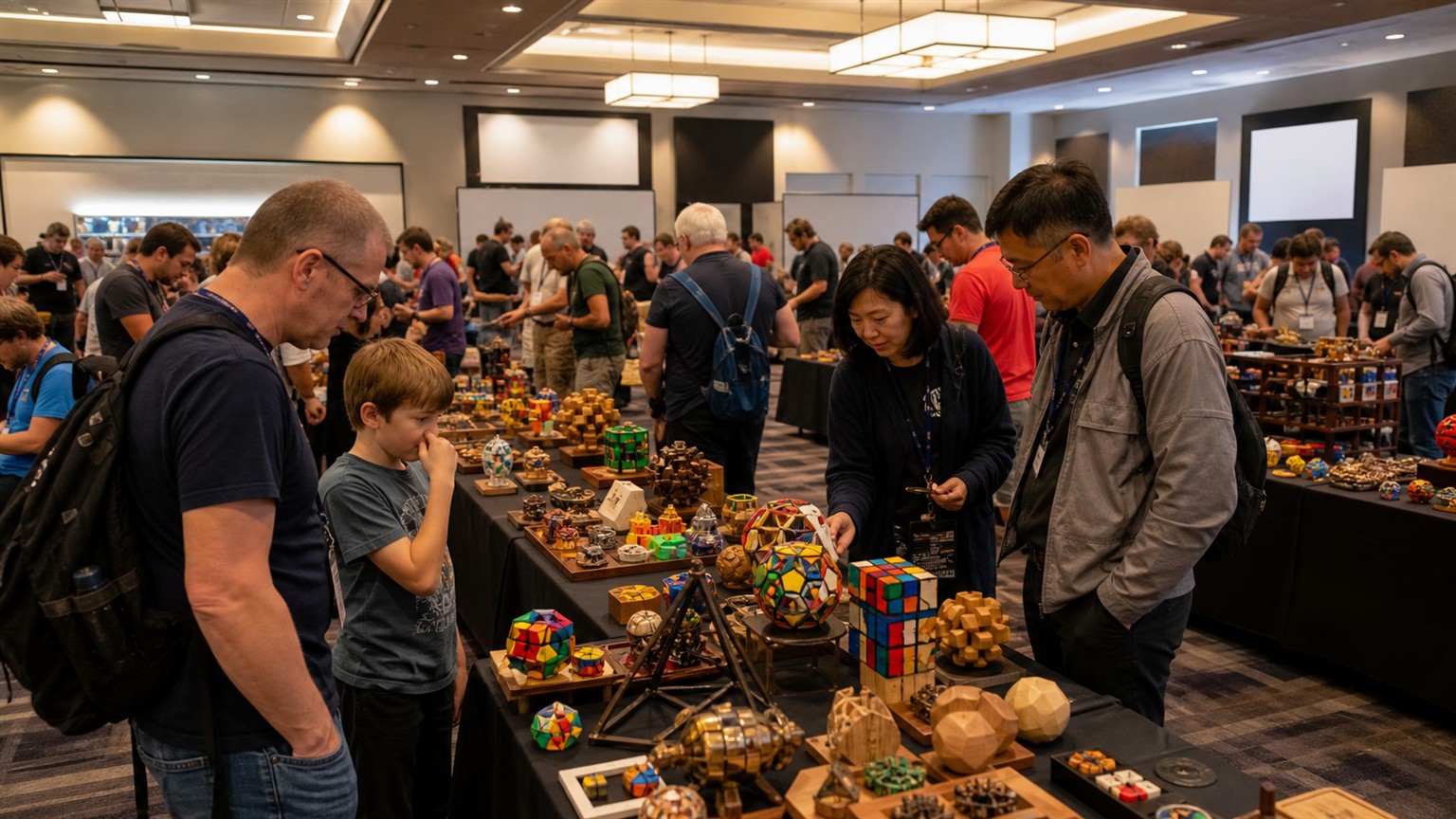
Tangrams, mechanical puzzles, jigsaws, and assembly races bring competition into the hands. Spectators can see pieces moving, players adjusting, and the moment when a shape finally locks in. This physical visibility gives the contest drama.
Physical formats need careful setup. Identical materials, equal wear, and clear handling rules matter. A sticky mechanism or missing piece can ruin trust quickly.
Relays Work for Mixed Groups
Puzzle relays are excellent for mixed-skill groups because different rounds can test different strengths. One player handles wordplay, another spatial assembly, another deduction, and another memory. The team result reflects breadth.
Relays also reduce one-player dominance. A brilliant crossword solver cannot carry every round if the event includes tactile and visual challenges. This makes relays useful for parties, schools, and work events.
Spectator Design Matters
A competitive format can be fair and still dull to watch. Spectators need visible progress, understandable stakes, and moments of reversal. Shorter rounds, clear boards, and commentary can help.
Not every puzzle contest needs spectators, but public events benefit from spectator design. A good audience experience builds energy around the players without interfering with them.
Online Head-to-Head Needs Reliability
Online puzzle competition adds timing, latency, interface, and anti-cheating concerns. The puzzle itself may be excellent, but the platform must support trust. Clear timers, stable connections, and transparent result recording matter.
For casual online play, lower stakes can absorb small imperfections. For serious competition, technical reliability becomes part of fairness.
Choose Stakes Carefully
Competition can energize players, but too much pressure can narrow attention and reduce enjoyment. Choose stakes that fit the group. A friendly table may need bragging rights. A tournament may need formal scoring. A classroom may need cooperative reflection after the round.
The stakes should support the puzzle, not overwhelm it.
Good Sportsmanship Is Structural
Sportsmanship is not only personal virtue. It is shaped by format. Clear rules reduce arguments. Visible scoring reduces suspicion. Defined hint policies reduce awkwardness. Balanced materials reduce resentment.
Design the event so good behavior is easy. Players are more gracious when the contest feels trustworthy.
Symmetry Is Useful but Not Always Enough
Identical puzzles are the easiest way to create fairness, but symmetry alone does not solve every issue. If one side has worse lighting, a sticky component, or a harder-to-read sheet, the contest can still feel uneven.
Competitive organizers should inspect the full play environment. Materials, seating, timing, visibility, and instructions all shape fairness.
Accuracy Penalties Create Better Strategy
Penalties for wrong answers make competitors think before submitting. This keeps the contest from becoming a guessing race and rewards solvers who can balance speed with verification.
The penalty should be clear and proportional. If it is too light, guessing wins. If it is too harsh, players may become afraid to act.
Physical Versus Mental Visibility
Some formats are mentally rich but hard to watch. A deduction puzzle on paper may be fascinating to the solver and opaque to spectators. A tangram race is easier to understand visually but may test narrower skills.
The best event format depends on audience needs. Private competition can prioritize depth. Public competition should consider what observers can follow.
Tournament Brackets Need Good Seeding
Head-to-head brackets are exciting, but seeding affects perceived fairness. If strong players meet too early by accident, the final may feel less satisfying. If beginners are thrown against experts immediately, the event may discourage new participants.
Casual events can use random pairings for fun. Serious events should consider divisions, qualifying rounds, or seeded brackets.
Designing for Good Rematches
A strong competitive format makes players want a rematch. The loser should feel they can identify what to practice, not that the result was arbitrary. The winner should feel rewarded for a real skill.
Rematch energy is a sign that the format is working. Players leave wanting another test, not an argument about the rules.
Beginner Events Need Low Shame
A beginner-friendly competitive event should make trying feel safe. Short rounds, clear instructions, visible progress, and light stakes help new players enjoy pressure without feeling exposed. The goal is to create appetite for more competition.
If the first competitive experience feels humiliating, many players will not return. A good format lets beginners lose without feeling foolish.
Expert Events Need Depth
Expert players need formats that reward skill beyond quick recognition. Multi-step logic, subtle wordplay, strategic route choices, and error management make competition more satisfying at higher levels. Pure speed can become shallow if the puzzle is too easy.
Depth also makes victory more meaningful. The winner did not merely move faster; they solved better under pressure.
Hybrid Formats Can Be Excellent
Hybrid events combine puzzle types: a word round, spatial round, logic round, memory round, and final meta puzzle. These formats are excellent for groups because they reward different strengths and create varied spectator moments.
The challenge is balancing difficulty. If one round is much harder or more luck-based than the others, it can dominate the result. Hybrid events need careful calibration.
Judging Must Be Boringly Clear
Good judging should be almost invisible because the rules are clear. Players should know how submissions are checked, how disputes are handled, and what happens when an answer is partially correct. Ambiguity after the clock stops is the enemy of trust.
For casual events, this can be simple. For serious tournaments, written rules and consistent judges matter.
Why Head-to-Head Feels Different From Solo Timing
Solving against a clock alone is different from solving across from another player. The opponent's pace becomes part of the environment. A fast start from the other side can create pressure before the puzzle itself becomes hard.
Players who practice head-to-head formats learn to keep attention on the board. The other player is information, but the puzzle is still the task.
Designing Casual Head-to-Head Nights
A casual head-to-head night should be easy to understand and quick to reset. Use short rounds, balanced materials, and clear scoring that does not require a judge to explain every detail. The mood should stay playful even when players care about winning.
Rotate formats across the night so different strengths get a chance. A word round, visual round, logic round, and physical round make the event feel less like a single-skill test.
Why Tie-Breakers Should Be Announced Early
Tie-breakers feel fair when everyone knows them before the contest begins. If they are invented after a close finish, even a reasonable choice can feel suspicious. Announce whether ties are broken by accuracy, time, a sudden-death puzzle, or shared placement.
This clarity is simple, but it protects the emotional ending of the event. Players accept close results more easily when the structure was known.
Training for Head-to-Head Play
Head-to-head practice should include more than solving alone. Players can practice with visible opponents, timed starts, noise, audience presence, or bracket pressure. These conditions change the mental texture of the puzzle.
The aim is not to become tense all the time. It is to make pressure familiar enough that skill remains available when someone else is racing nearby.
Choosing Formats for Remote Competition
Remote head-to-head puzzles need formats that are easy to distribute, verify, and time. Digital grids, synchronized puzzle packets, video-monitored physical challenges, and platform-based games can work if the rules are clear.
Remote play should also account for technology problems. A friendly format has a plan for disconnects, late starts, and accidental spoilers.
Format Length Changes Strategy
Very short rounds reward fast recognition and clean starts. Longer rounds reward endurance, recovery, and strategic pacing. Neither is inherently better, but they test different competitive muscles.
Event organizers can mix lengths to create a fuller contest. Players then have to be quick, careful, and durable rather than only explosive.
A Good Format Explains the Loss
After a good head-to-head match, the losing player should understand what happened. They were slower at pattern recognition, made an accuracy mistake, chose a poor route, or handled pressure less cleanly. That clarity makes practice possible.
If players leave unable to tell whether they lost to luck, unclear rules, or a bad component, the format needs repair.
Use Practice Rounds
Practice rounds reduce confusion before the real match. They let players learn the materials, scoring, and submission method without consequence. This is especially useful for unusual formats or mixed-experience groups.
A short practice round also reveals setup problems before they affect the result.
Keep Casual Events Reversible
Casual competitive formats should be easy to reset if something goes wrong. If a component breaks, a timer fails, or a player misunderstands a rule, the organizer should have a simple restart or backup puzzle ready.
Reversibility keeps the mood light. The event can recover without turning a small flaw into a controversy. Players are more willing to compete when the room feels forgiving.
Match Format to Venue
A noisy party needs a different competitive format than a quiet tournament room. Physical races, relays, and visible pattern challenges work well in social spaces. Dense logic contests need calmer conditions so players can think.
The venue is part of the format. Good organizers choose puzzles the room can support.
Conclusion: Pressure With Precision
The best competitive puzzle formats create pressure with precision. They let players race, compare, and perform without muddying the fairness of the solve.
Choose formats that match the skill being tested, define rules clearly, and make progress visible. Then competition becomes an amplifier for puzzle joy rather than a source of confusion.