Getting Better at the Game Is Only Step One
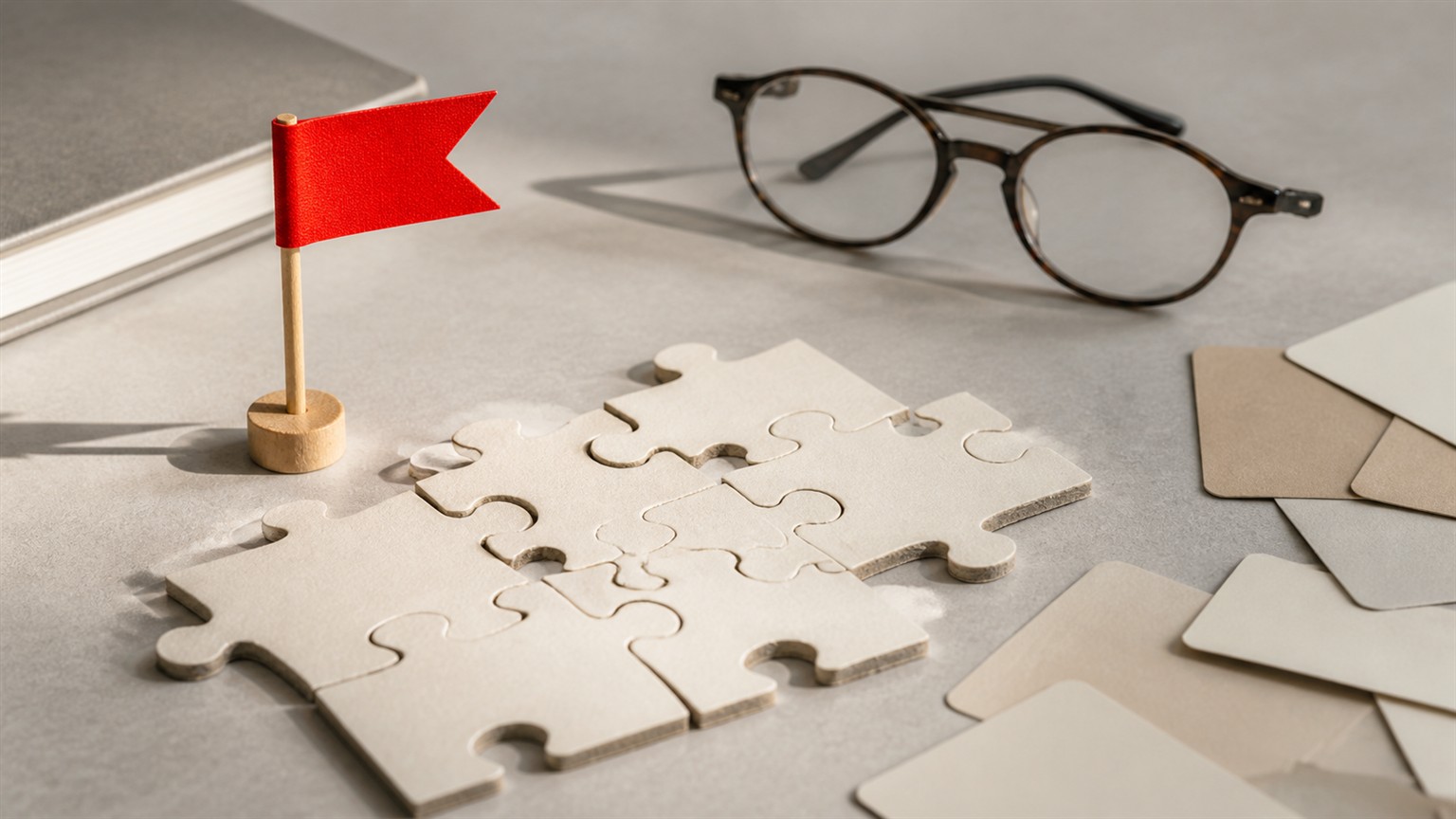
A person can get better at a trained task without proving broad real-world cognitive gains. This distinction is central to brain training research. If someone practices a puzzle game every day, their score may rise because they learn the rules, timing, patterns, and strategies of that game. That improvement is real, but it is not automatically the same as better memory at work, sharper decisions, or improved daily functioning. To claim real-world gains, evidence has to measure outcomes beyond the trained task and show that the improvement matters outside the practice environment.
A: Yes, especially when the task is enjoyable or tied to a chosen skill.
A: No, it proves performance on that task unless broader outcomes were measured.
A: Scores are visible and satisfying, so they can feel larger than the measured skill.
A: Some strategies may, but the transfer needs to be named and tested carefully.
A: No, they are real within the trained task; the issue is how broadly they apply.
A: It asks whether a measured change is large and relevant enough to matter.
A: Only when evidence directly supports those benefits.
A: Yes, but anecdotes should not be treated as proof for everyone.
A: Track specific skills, strategy use, and whether any outside task actually changes.
A: Celebrate task improvement while staying cautious about broader claims.
Practice Effects Are Real
Practice effects are not meaningless. If a person solves many crosswords, they may become better at crossword conventions. If they play a working-memory game daily, they may learn the timing and patterns of that game. Those improvements are real.
The problem begins when task improvement is described as if it automatically proves broad cognitive change. Specific improvement should be respected as specific.
Why Real-World Gains Are Harder
Real-world cognition is messy. Remembering appointments, making decisions, learning at work, or managing daily tasks depends on context, motivation, tools, sleep, stress, and prior knowledge.
A training task strips away much of that complexity. That can make practice clean, but it also makes transfer harder to assume.
Measurement Has to Match the Claim
If a program claims to improve everyday memory, the study should measure everyday memory or a convincing proxy. If it measures only game scores, the claim should stay with game performance.
This sounds obvious, but many brain training debates come from mismatched measurement and marketing. The evidence may be real but narrower than the advertisement.
Near Transfer Is Still Useful
Near transfer can still matter. A solver who improves at one logic format may enjoy related logic puzzles more. A crossword learner may become more fluent with clue styles. These gains can enrich a hobby and build confidence.
Not every activity has to prove broad life transformation. Sometimes becoming better at a meaningful task is enough.
Strategy Transfer Is the Bridge
The most promising bridge between trained tasks and broader gains is strategy. A person might learn to take notes, check assumptions, slow down before guessing, or review mistakes. These strategies can apply beyond one puzzle more plausibly than a raw score can.
Still, the strategy has to be recognized. If the solver cannot name what they learned, transfer may remain accidental.
Why Marketing Prefers Big Claims
Big claims are easier to sell. Improving working memory in daily life sounds more exciting than improving performance on a trained task. This incentive can push product language beyond what research supports.
Readers should not have to become scientists to protect themselves, but a few filters help: what was trained, what was measured, and what was promised?
Personal Benefits Can Be Real Without Being Universal
A person may feel that puzzles help them focus, relax, or organize thoughts. That personal benefit can be genuine. It does not need to be converted into a universal scientific claim.
This distinction is respectful. It allows people to value their experience while still separating anecdote from evidence.
How Puzzle Streets Readers Can Apply This
When choosing puzzles for cognitive practice, name the target. Language fluency, visual scanning, deduction, patience, or relaxation are clearer goals than becoming smarter.
Then choose a puzzle that actually exercises that target. After a few weeks, review whether the practice changed the task you meant to practice.
Better Reporting of Gains
A better report says, I improved at difficult crosswords, or I make fewer notation errors in logic grids. Those statements are precise and useful. They also create a foundation for testing whether any strategy travels farther.
Vague reports like my brain is better may feel encouraging but are hard to evaluate.
Why This Distinction Protects Consumers
The distinction between trained tasks and real-world gains protects consumers from inflated claims. If a product or routine improves a specific game score, that may be worth celebrating. But it should not be sold as proof of broad life improvement unless broader outcomes were measured.
This protection matters because brain-training marketing often appeals to hope, fear, or ambition. People may pay for a promise that sounds scientific but rests on a narrower result.
Clear language gives users a better chance to choose wisely.
Task Gains Can Still Be Personally Meaningful
A trained-task gain can be meaningful even when it stays narrow. A person may enjoy becoming faster at crosswords, more accurate at Sudoku, or more patient with jigsaws. Skill within a hobby has its own value.
This is an important counterbalance. Skepticism about broad claims should not drain pleasure from specific improvement. The issue is not whether task gains matter; it is whether they are described honestly.
Real-World Outcomes Need Real-World Measures
If the claim is about daily memory, the evidence should examine daily memory. If the claim is about classroom performance, the evidence should connect to classroom outcomes. If the claim is about older adult independence, the measures need to be meaningful in that context.
Laboratory tasks can be useful proxies, but they are not automatically equivalent to life. The closer the measure is to the claim, the stronger the argument.
Why People Feel Broader Gains
People may genuinely feel broader gains after puzzle practice. They may feel more focused, confident, calm, or organized. Those feelings can matter, even if they are not proof of general cognitive improvement.
Personal experience belongs in the conversation as experience. It should not be inflated into evidence for everyone. A good article can respect both the user's lived benefit and the limits of formal claims.
How to Phrase Progress Accurately
Accurate progress statements are specific. I can solve medium logic grids with fewer notation errors. I finish Saturday crosswords more often. I stay with a jigsaw for longer without losing patience. These statements are concrete and useful.
Vague statements like my brain is upgraded are harder to evaluate. They may feel good, but they do not guide practice. Specific statements help the solver choose what to do next.
A Better Brain Training Vocabulary
Better vocabulary can improve the whole conversation. Use task improvement, near transfer, far transfer, strategy transfer, engagement, and wellbeing support instead of one broad phrase like brain boost.
These terms keep claims in their proper size. They also help readers see that a narrow benefit is not a failed benefit. It is simply a benefit with boundaries.
The Training Environment Is Simplified
Training tasks simplify the world. They remove distractions, define the goal, and provide clear feedback. That simplification is useful for practice, but it also creates distance from everyday life.
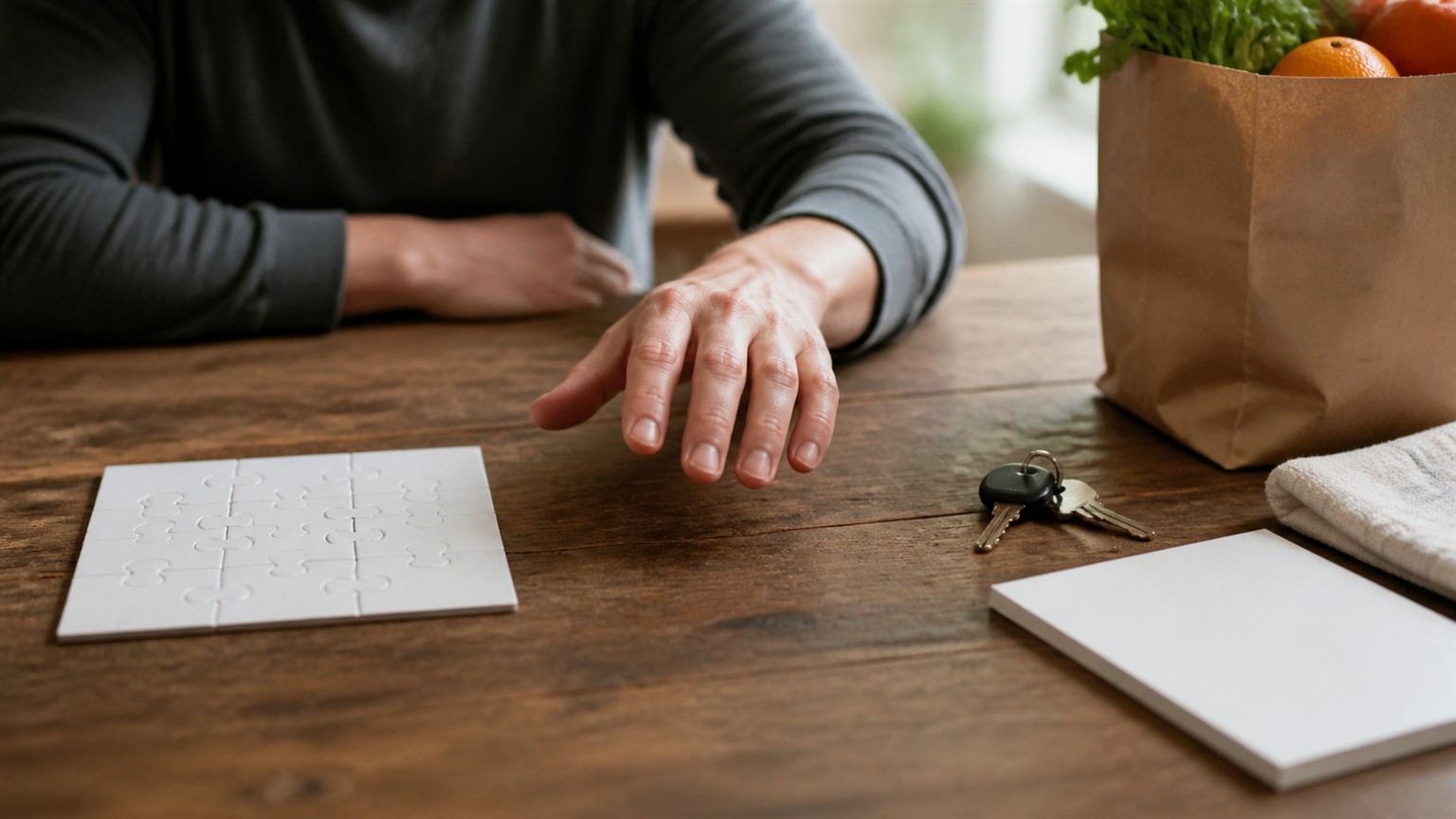
Real-world tasks rarely come with such clean boundaries. Remembering a grocery list, solving a work problem, or making a decision includes emotion, context, interruptions, and consequences. This is why broad claims need direct evidence.
Why Statistical Significance Is Not Enough
A study may find a statistically significant effect, but readers should still ask whether the effect is practically meaningful. A tiny score change may matter in research terms without changing daily life in a noticeable way.
Practical significance asks whether the change is large enough, durable enough, and relevant enough to matter. Brain-training claims should care about both statistics and lived usefulness.
How Puzzle Improvement Should Be Celebrated
Puzzle improvement deserves celebration on its own terms. Finishing harder crosswords, making cleaner logic notes, or sustaining attention through a longer jigsaw are real accomplishments.
The celebration becomes more honest when it names the skill accurately. The solver can say, I improved at this, and that statement does not need to become I improved at everything.
The Role of Motivation in Real Life
Real-world gains depend partly on motivation. A person may learn a strategy in a puzzle but not use it elsewhere unless they see the connection and care enough to apply it. Motivation is one reason transfer is not automatic.
This suggests that reflection matters. If a solver wants puzzle habits to influence other tasks, they should deliberately name the bridge. What did the puzzle teach that might help elsewhere?
How to Read Product Claims
When a product claims real-world gains, look for real-world measures. Did the study measure daily functioning, school performance, workplace outcomes, or clinically meaningful changes? Or did it measure only performance on similar tasks?
The answer does not always invalidate the product. It simply tells readers how far the claim can reasonably go.
Examples of Careful Progress Language
Careful progress language might say, I am better at tracking candidates in number puzzles, or I can sustain attention longer during jigsaws. These statements are specific, observable, and useful.
A reader can build from those statements. If candidate tracking helps in another puzzle, that becomes a testable transfer claim. If it does not, the original gain still remains real.
Why This Distinction Helps Puzzle Lovers
Puzzle lovers do not lose anything by being precise. In fact, precision protects the value of the hobby. Puzzles can be enjoyable, challenging, social, calming, and skill-building without being marketed as universal cognitive upgrades.
That honesty makes the hobby easier to recommend. People can enter with realistic expectations and discover what the practice actually gives them.
A Simple Rule for Claims
A simple rule is to keep the claim as close as possible to the evidence. If the evidence is a better puzzle score, claim better puzzle performance. If the evidence is improved daily function, explain exactly how it was measured.
This rule prevents most overstatement. It also makes genuine benefits easier to see.
The Role of Context
Context is the reason real-world gains are hard. A memory task in an app may happen in a quiet room with immediate feedback. Remembering something in daily life may happen while tired, interrupted, emotional, or multitasking.
That context gap does not make training useless, but it explains why evidence has to be careful. Life is not just a harder version of the game; it is a different environment.
Turning Task Gains Into Better Habits
Task gains become more useful when they lead to better habits. A solver who learns to slow down, take notes, and check assumptions can intentionally carry those habits into related tasks.
The habit is the bridge. It is more portable than a score because it can be chosen again in a new situation. That is why the most useful puzzle practice often ends with a quick review of the method, not just satisfaction with the result. Small cues, such as keeping scratch paper nearby, can help that habit appear outside the puzzle during ordinary decisions, especially when attention is scattered.
Conclusion: Keep the Gain Where the Evidence Puts It
The distinction between trained tasks and real-world cognitive gains keeps brain training claims honest. Task improvement is real, but broad transfer must be measured rather than assumed.
For puzzle solvers, the practical answer is satisfying: enjoy the task, improve at the skill, name the strategy, and stay careful about claims that leap too far.