How Puzzles Build Multiple Types of Intelligence Simultaneously
How puzzles build multiple types of intelligence at once through language, logic, memory, spatial reasoning, creativity, and social thinking.

Putting the Pieces Together
How puzzles build multiple types of intelligence at once through language, logic, memory, spatial reasoning, creativity, and social thinking.
Science-backed cognitive benefits of puzzle solving explained carefully, with practical claims about attention, memory, reasoning, and healthy practice.
Trivia puzzle hybrids explained, showing how general knowledge can combine with logic, categories, ordering, and deduction.
The best hybrid puzzles explained, with common combinations, design signals, and solving habits for multi-type puzzle challenges.
Hard riddles that make you think for hours, with solving habits, fairness tips, and ways to recognize strong classic and modern riddles.
A tour of classic and modern riddles, including what makes riddles memorable, fair, clever, and fun across generations.
Explore famous lateral thinking puzzle types, why their solutions surprise people, and how to approach classic scenario riddles.
Lateral thinking puzzles explained, including why they feel maddening, how assumptions trap solvers, and how to ask better questions.
Master logic grid puzzles with elimination strategies, clue translation, candidate tracking, and clean solving habits.
Learn what deduction puzzles are, how they work, and the practical habits that turn clues into confident conclusions.
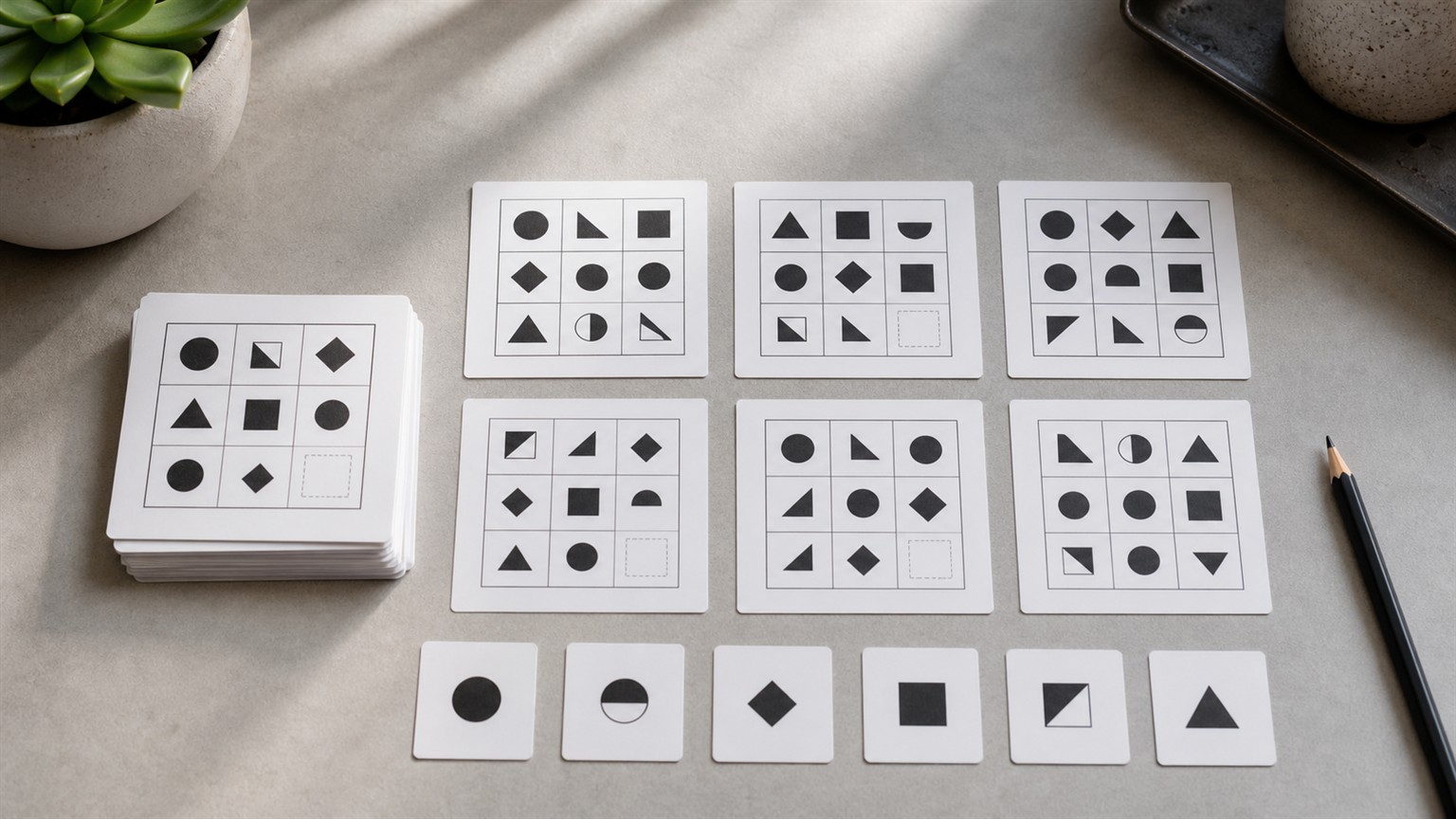
Understand IQ test pattern puzzles, including common types, visual matrix logic, rule families, and practical strategies for solving them.
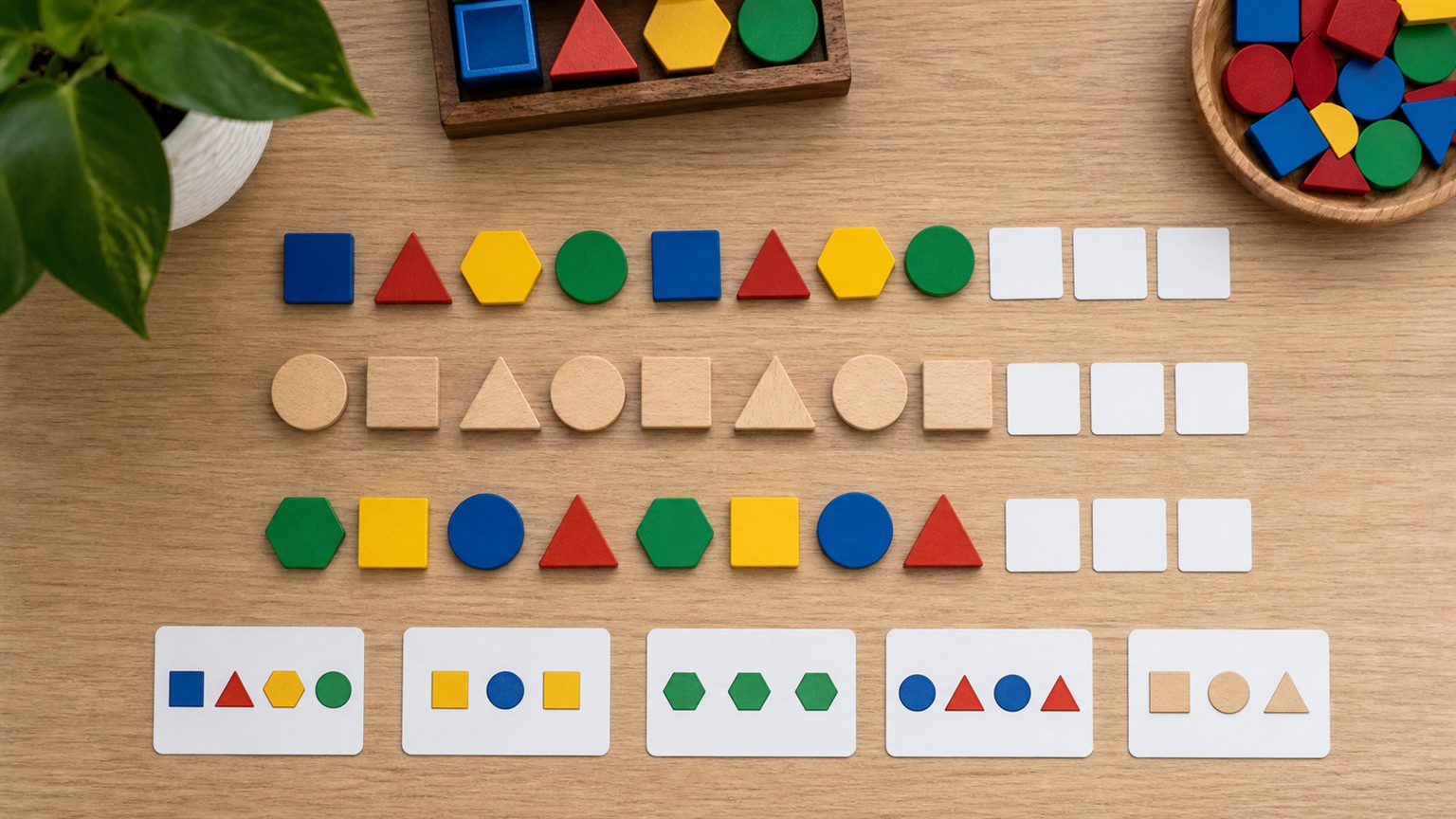
Learn how pattern recognition puzzles work and how to spot rules in sequences, shapes, colors, positions, and transformations.