Personalization Begins With a Clear Goal
Personalized brain training sounds technical, but the core idea is simple: the practice should match the person and the goal. A solver who wants calmer focus needs a different routine from someone who wants faster crossword recall or stronger spatial comparison. Puzzles are well suited to personalization because the formats vary so widely. The important move is to choose intentionally instead of assuming every puzzle trains every skill equally.
A: The puzzle type, difficulty, schedule, and feedback match the solver's goal and context.
A: No; goals, skill levels, motivation, and time constraints differ.
A: Yes, even choosing the right puzzle format is a meaningful step.
A: Change when the goal changes, boredom appears, or the challenge no longer fits.
A: Enjoyment can still justify it, but it should not be mislabeled as targeted training.
A: Start with one goal and one accessible format.
A: Yes, especially by adjusting visibility, pace, and frustration level.
A: They may adapt faster, but paper and physical puzzles can be tailored manually.
A: Trying to train every cognitive skill with one undifferentiated routine.
A: The intended task feels more fluent, sustainable, or strategically clear.
Choose One Primary Skill
The first step is choosing one primary skill. Attention, memory, language, spatial comparison, reasoning, and processing speed all suggest different puzzle choices. A vague goal produces a vague routine.
This does not mean the routine can train only one thing. Puzzles often involve several skills at once. The primary goal simply helps the solver decide what to emphasize and how to evaluate progress.
Match the Puzzle Format
Format matters. Crosswords ask for word retrieval and clue interpretation. Jigsaws ask for visual comparison and patience. Logic grids ask for rule tracking and deduction. Mechanical puzzles ask for tactile experimentation and persistence.
When format matches goal, practice feels more coherent. The solver understands why that puzzle belongs in the routine, which makes the habit easier to sustain.
Fit the Difficulty to the Day
Personalized training should respond to energy. A difficult puzzle on a tired day may create resentment. An easy puzzle on a sharp day may fail to engage. The best plan gives the solver permission to adjust without abandoning the routine.
This flexibility is not weakness. It is how long-lasting habits survive real life. A routine that bends intelligently is more durable than one that breaks when conditions change.
Use Feedback Without Obsession
Feedback helps the solver notice progress. It may come from scores, completion time, fewer hints, cleaner notes, or a stronger sense of strategy. The key is to choose feedback that matches the goal.
Feedback becomes harmful when it turns every session into a judgment. Personalized practice should make the solver more informed, not more anxious.
Build Around Motivation
A plan that ignores motivation will not last. Some people like streaks. Others dislike them. Some enjoy social puzzles, while others need quiet concentration. Personalization includes these preferences because they affect repetition.
The best routine feels like something the solver owns. That sense of ownership often matters as much as the specific puzzle source.
Use Blocks and Rotation
One useful approach is to practice a single format for a short block, then rotate. A two-week crossword block can build fluency. A later spatial block can shift attention to visual comparison. Rotation prevents the routine from becoming too narrow.
The timing can stay simple. Deepen one skill long enough to notice strategy, then introduce a different challenge before boredom dulls attention.
Adjust for Accessibility
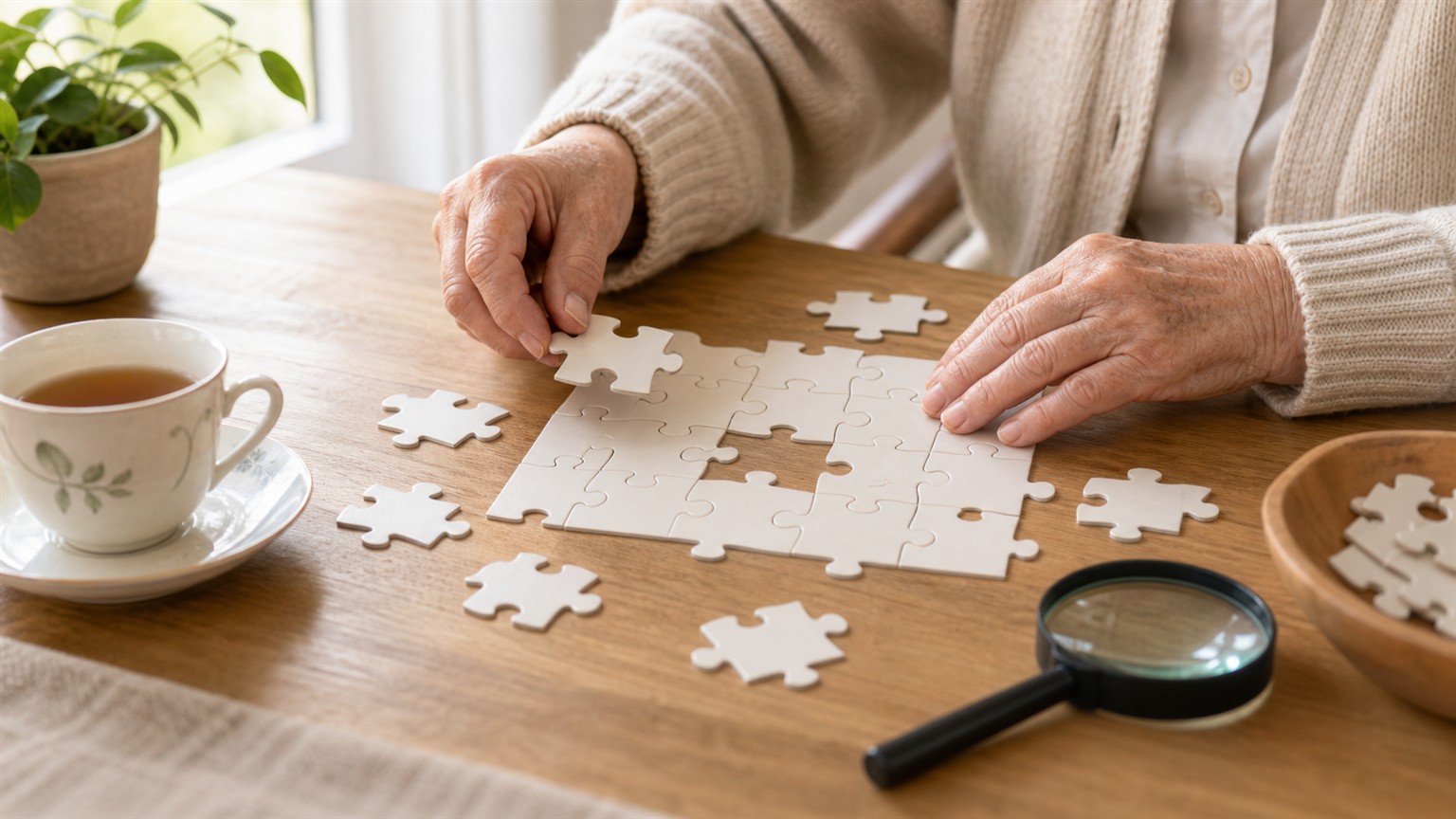
Personalized practice should account for vision, hand comfort, attention span, language level, and frustration tolerance. Larger print, better lighting, fewer pieces, slower pacing, or cooperative solving can make a routine more accessible.
Accessibility is not a lesser version of training. It is what allows meaningful practice to happen. A beautifully designed routine is useless if the solver cannot comfortably use it.
Keep a Light Record
A light record can include date, puzzle type, difficulty, mood, and one strategy note. This gives enough information to adjust the routine without burying the solver in data.
Patterns become visible over time. The solver may notice that morning sessions work better, that certain clue types need practice, or that social solving renews motivation.
When to Change the Plan
Change the plan when progress stalls, enjoyment fades, or the original goal no longer matters. A plateau may call for harder puzzles, a different format, more review, or more rest. Personalization is an ongoing conversation with the routine.
The goal is not constant optimization. It is staying responsive enough that puzzle practice remains useful, humane, and engaging.
Goal Drift Is Normal
A solver may begin with a focus goal and later discover that the routine is really serving relaxation, confidence, or social connection. That drift is not failure. It is information about what the person actually values.
Personalized practice should leave room for this discovery. A good routine can be revised when the original goal no longer fits the benefits the solver is experiencing.
Personalization for Groups
Personalization can also happen in classrooms, families, senior centers, or teams. A group leader can offer several puzzle stations, vary difficulty, and let participants choose roles. This respects differences without needing a separate plan for every person.
Group personalization works best when choice is visible. Some people want speed, others want conversation, and others want quiet persistence. A flexible puzzle environment can hold all three.
Attention Goals Need Fewer Interruptions
If the goal is sustained attention, the environment matters almost as much as the puzzle. A solver may choose a medium-difficulty puzzle, silence notifications, set a short session length, and focus on returning gently after distraction.
The feedback should also match attention. Completion time may be less important than whether the solver stayed present, noticed wandering, and resumed without quitting.
Memory Goals Need Retrieval
A memory-focused routine should include retrieval, not just recognition. Crosswords, trivia-style clues, paired cards, and repeated recall challenges can ask the solver to bring information back rather than simply identify it when shown.
The routine should stay kind. Memory practice can become discouraging if every lapse feels like failure. Hints, spacing, and gradual repetition can keep the work productive.
Spatial Goals Need Seeing and Testing
Spatial practice benefits from puzzles that require comparison, rotation, orientation, and mental assembly. Jigsaws, tangrams, block puzzles, and certain mechanical puzzles all ask the solver to imagine how forms relate before the answer is obvious.
For this goal, speed is not always the right measure. Cleaner scanning, fewer forced fits, and better grouping strategies may show progress more meaningfully than finishing faster.
Reasoning Goals Need Explanation
Reasoning improves when the solver can explain why a move is valid. Logic grids, Sudoku, deduction puzzles, and constraint puzzles are useful because they reward explicit cause-and-effect thinking.
A good personalization move is to add a short explanation step. The solver does not just place an answer; they name the clue, rule, or contradiction that justified it. That turns solving into reasoning practice.
Motivation Goals Need Identity Fit
Some people keep routines because they enjoy mastery. Others enjoy calm, competition, novelty, beauty, or social connection. A personalized plan should fit the reason the solver returns.
This identity fit can be more powerful than an idealized training schedule. A person who loves elegant wordplay may stay with crosswords for years. A person who loves hands-on discovery may thrive with mechanical puzzles.
Speed Goals Need Careful Pressure
If the goal is faster processing, timed practice can be useful, but pressure should be introduced gradually. A timer changes the puzzle. It can sharpen attention, but it can also increase guessing or anxiety if used too aggressively.
A better approach is to build accuracy first, then add gentle speed constraints. The solver should know whether they are training speed, precision, or both.
Confidence Goals Need Winnable Progress
Some puzzle routines are meant to rebuild confidence. In that case, the plan should include puzzles that are challenging but finishable. The solver needs repeated experiences of effort leading to completion.
This is not the same as avoiding difficulty. It means choosing difficulty with care. Confidence grows when the solver can see that strategy, patience, and practice change the outcome.
Social Goals Need Shared Roles
When the goal is communication or teamwork, the routine should give people reasons to talk. Cooperative puzzles, escape-room-style tasks, and split-information challenges work well because no single person has the whole picture.
A personalized social routine can assign roles: clue reader, organizer, tester, note keeper, or pattern spotter. Roles make collaboration more deliberate and help quieter participants contribute.
Rest Days Keep Personalization Honest
A personalized plan should include lighter days or rest days. Cognitive effort varies, and the goal is a sustainable relationship with practice. A rest day can prevent the routine from becoming another source of pressure.
The best long-term puzzle habits usually have rhythm. They include stretch, maintenance, play, and recovery. That rhythm is more realistic than daily maximum effort.
Reassessment Prevents Stale Training
Every few weeks, the solver can reassess the plan. Is the goal still relevant? Is the chosen format still engaging? Has the difficulty become automatic? Are the feedback measures still helpful?
Reassessment keeps personalization from becoming a one-time setup. The routine should mature as the solver does.
Use a Small Menu Instead of One Perfect Puzzle
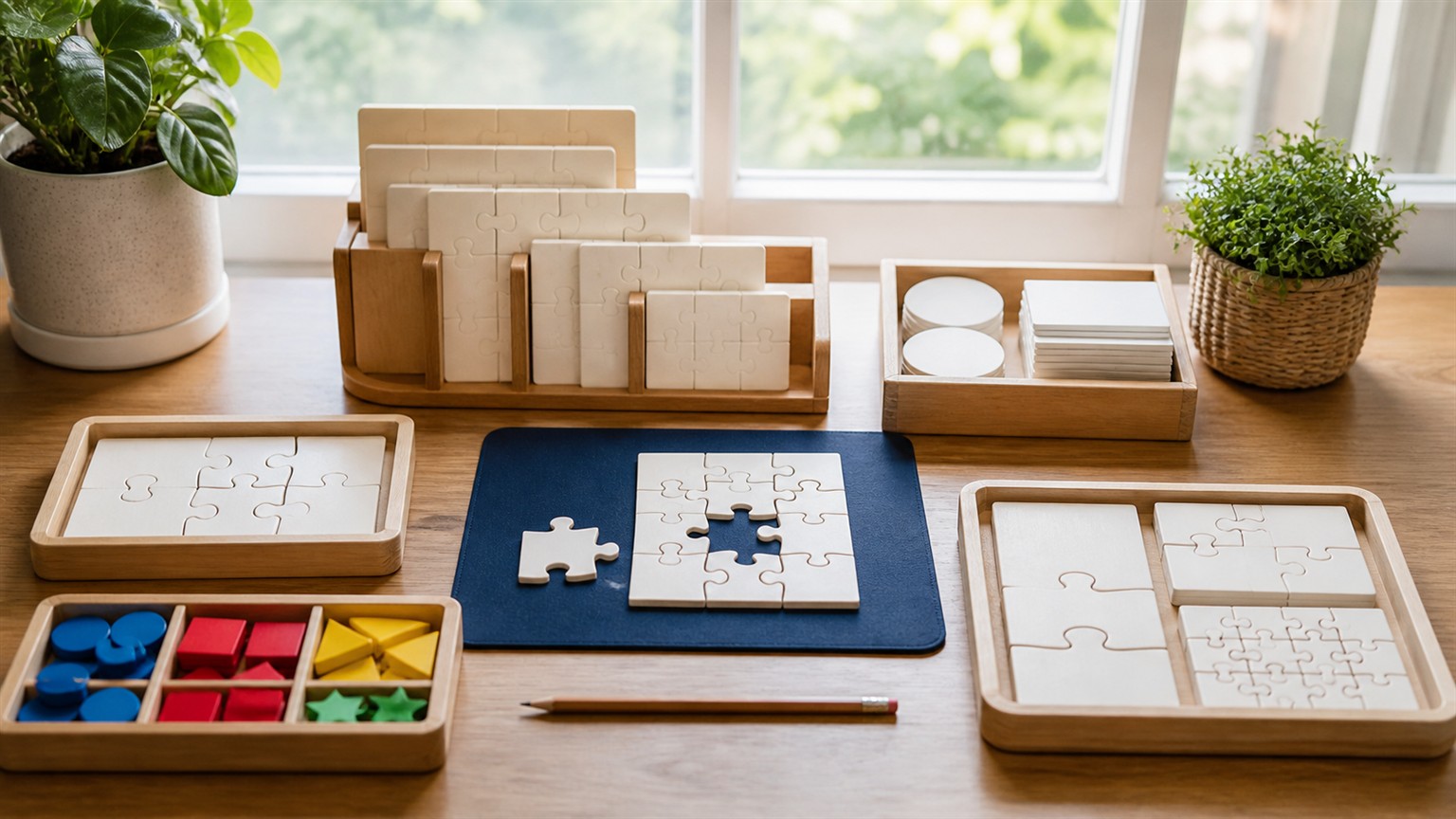
A personalized routine does not need one perfect puzzle. It often works better as a small menu: one reliable favorite, one stretch option, one relaxing option, and one social or novelty option. The solver can choose based on energy while staying aligned with the larger goal.
This menu approach prevents all-or-nothing thinking. Missing the hardest puzzle does not mean missing the habit. The person still has a path into practice.
How to Pair Goals
Some goals pair naturally. Attention and relaxation may pair well with jigsaws or slow crosswords. Reasoning and confidence may pair well with logic puzzles that have clear solution paths. Memory and language may pair well with vocabulary-based puzzles.
Other goals can conflict. Speed pressure may undermine calm focus. Novelty may interfere with fluency. Personalization means noticing those tensions and choosing which goal leads the session.
When to Ask for Guidance
If puzzle practice is being used around injury, cognitive impairment, therapy, or significant mental health concerns, outside guidance may be appropriate. A clinician, therapist, educator, or trained facilitator can help match activities to real needs and limits.
That guidance does not make puzzles less personal. It can make them safer and more effective. The routine can still feel playful while being chosen with care.
The Goal Should Shape the Ending
How a session ends should match the goal. A focus session might end with a calm note about attention. A reasoning session might end by naming the strongest deduction. A confidence session might end by marking one solved step, even if the whole puzzle remains unfinished.
That ending matters because it tells the solver what to value. Personalized practice is not only about choosing the right puzzle; it is about closing the session in a way that reinforces the intended habit.
Avoid Training by Guilt
A personalized routine should never feel like punishment for being forgetful, distractible, slow, or stressed. Guilt may push a person into a few sessions, but it rarely sustains curiosity. Puzzle practice works better when it feels like care.
This emotional framing changes the whole plan. The solver is not fixing a defective brain. They are choosing a challenge that supports the kind of attention, memory, or reasoning they want to practice.
Conclusion: Tailor the Practice, Not the Promise
Personalized brain training works best when it tailors the practice rather than inflating the promise. Choose the skill, match the puzzle, tune the difficulty, and review lightly.
That approach gives puzzle fans a practical path. It respects evidence, honors enjoyment, and makes cognitive practice feel like something designed for a real person.