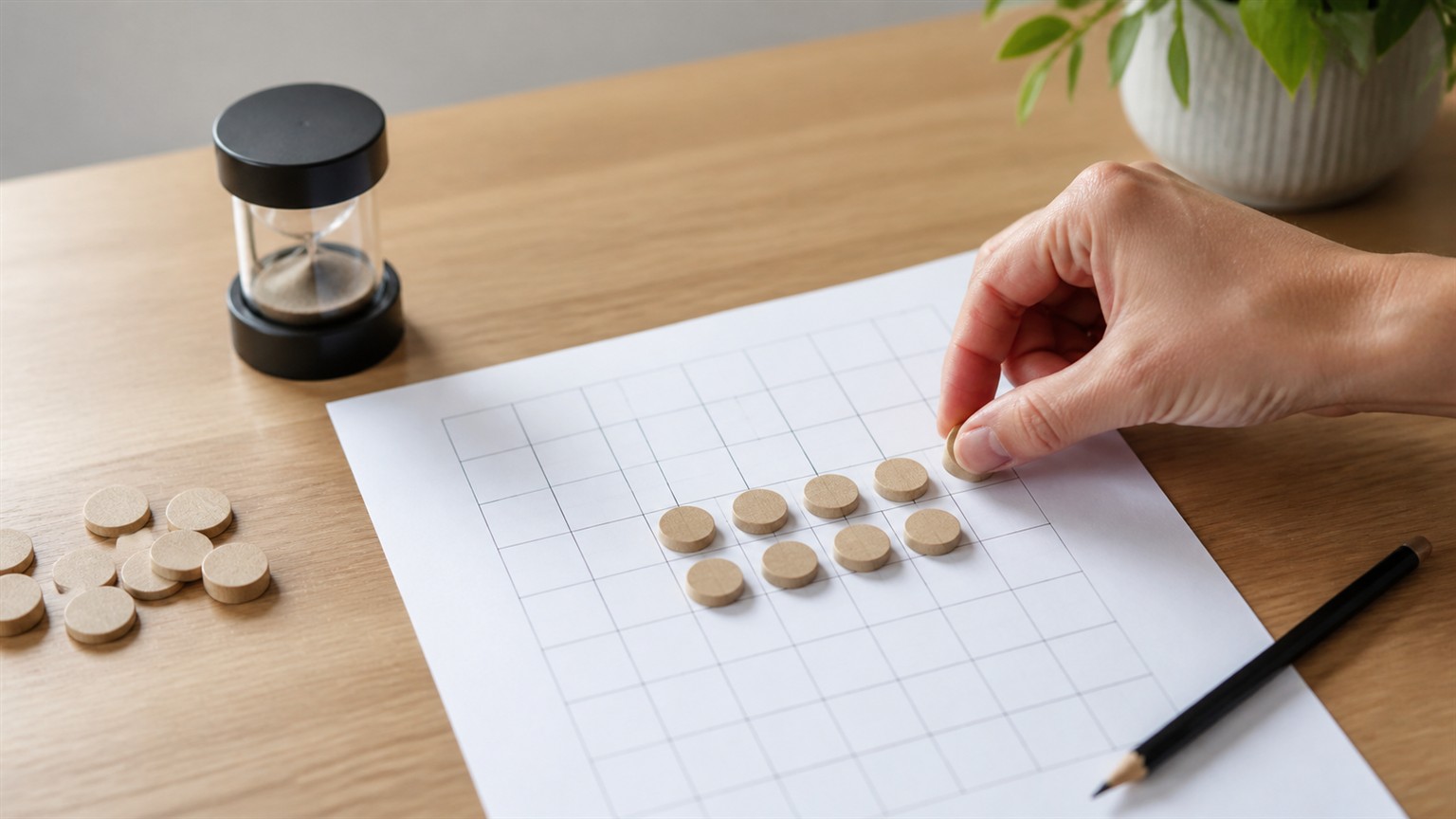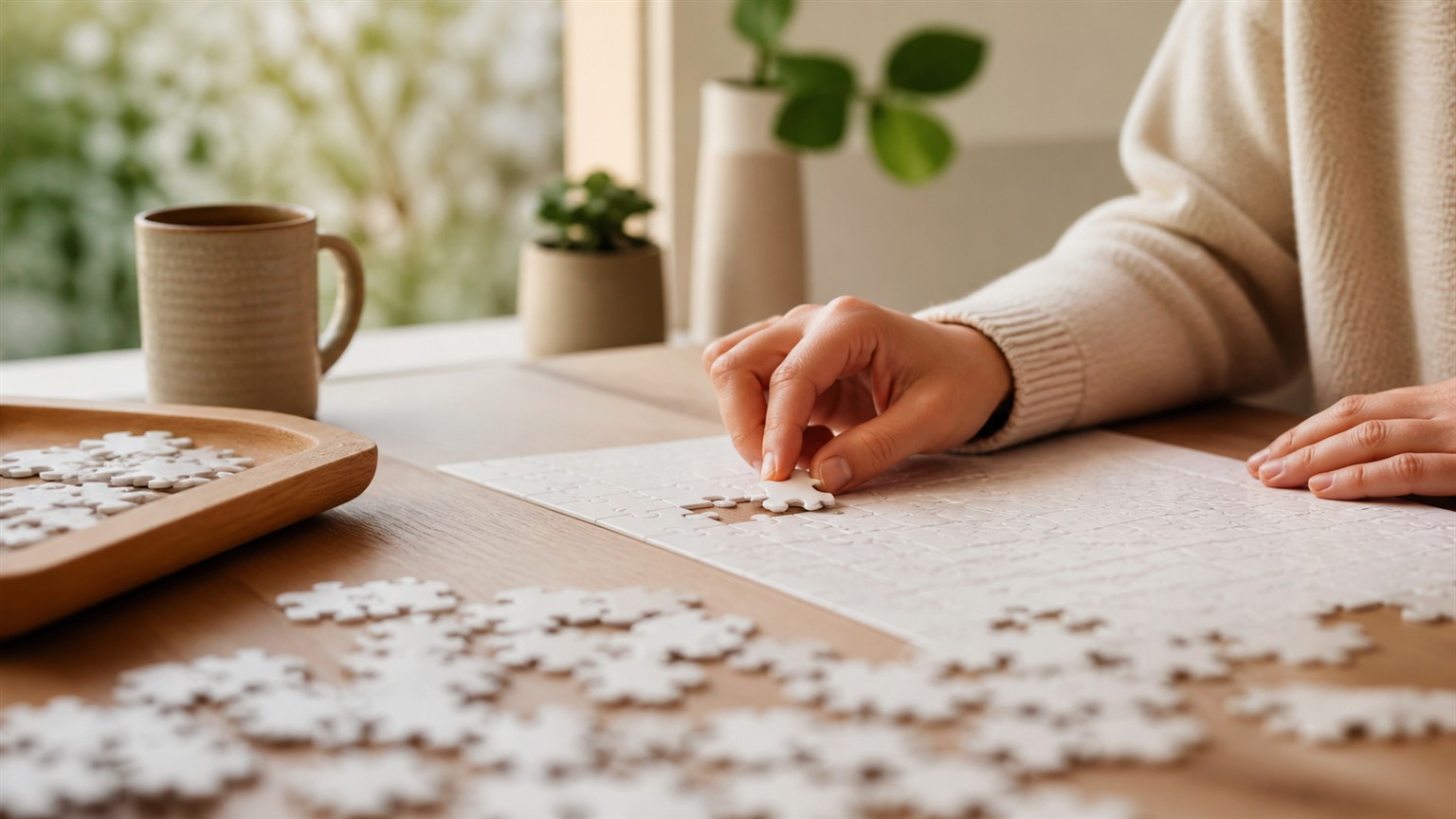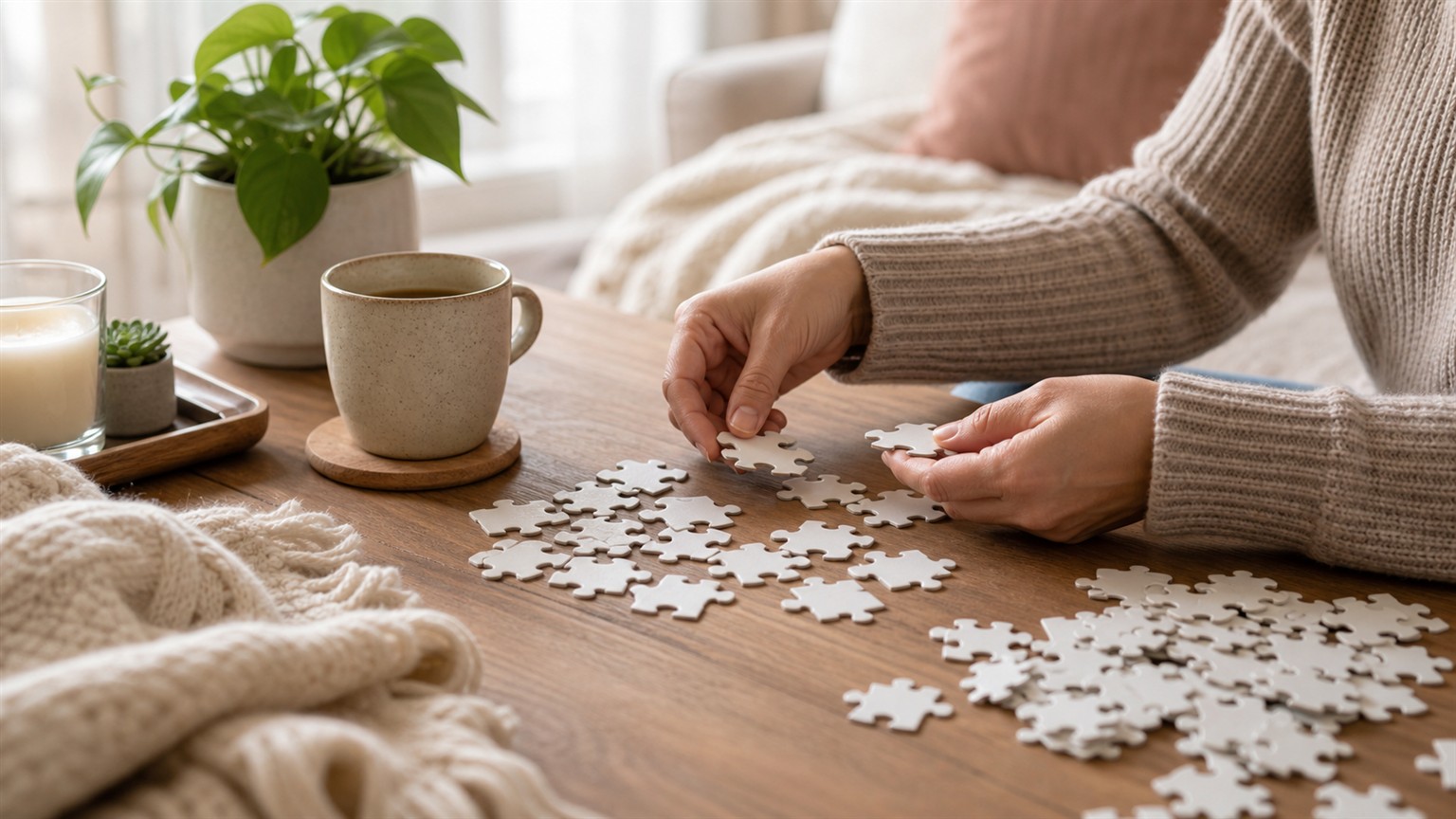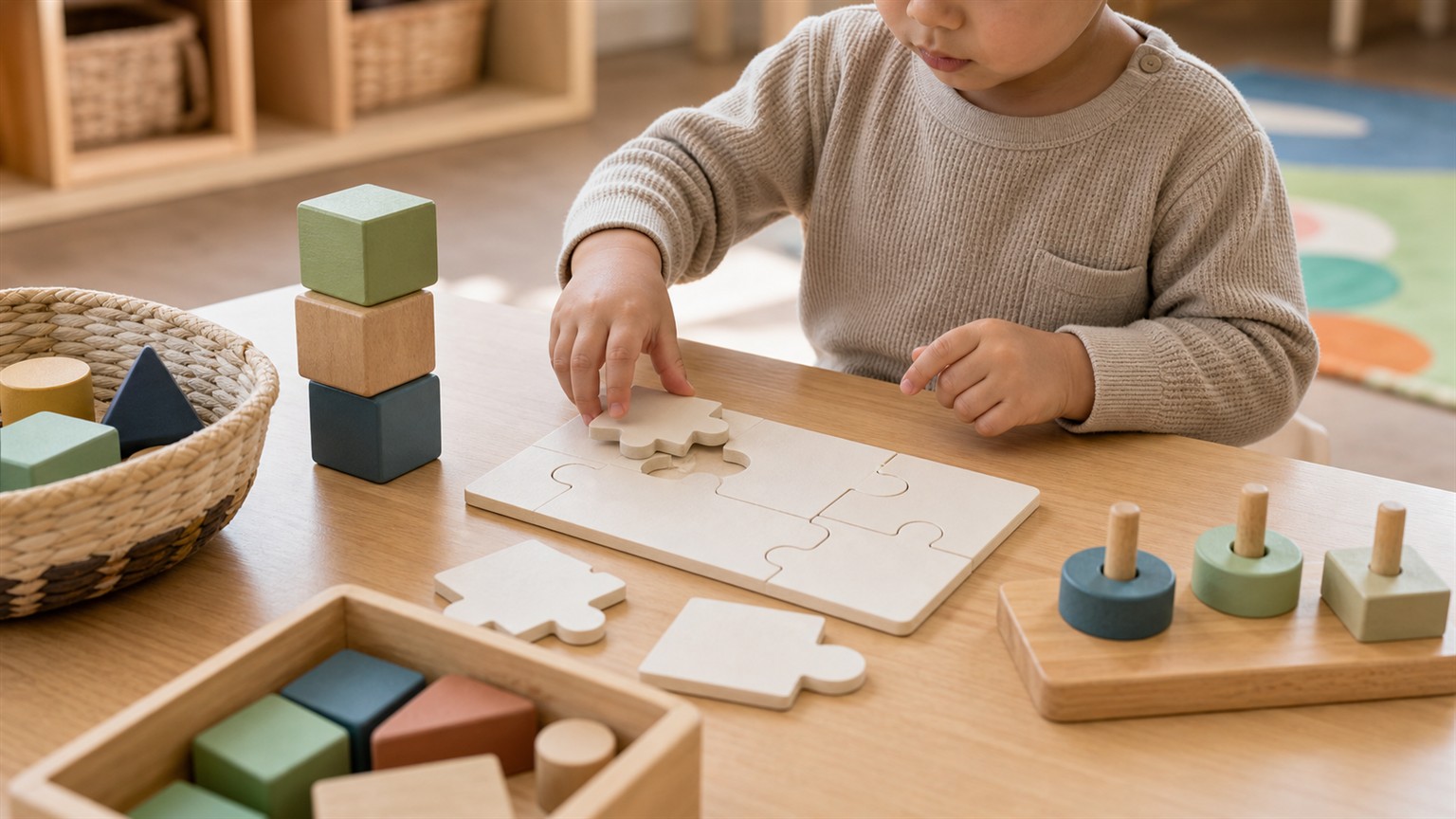
The Science of Deep Focus: How Puzzles Train Single-Task Concentration
How puzzles can train single-task concentration by reducing task switching, strengthening attention control, and rewarding deep focus.

Putting the Pieces Together
How puzzles can train single-task concentration by reducing task switching, strengthening attention control, and rewarding deep focus.
How regular puzzle practice can support sustained attention, focus, distraction resistance, and patient task engagement.
How puzzles can become a mindfulness practice through focused attention, flow, sensory grounding, and gentle challenge.
How puzzle solving can support emotional wellbeing through focus, flow, confidence, routine, stress relief, and social connection.
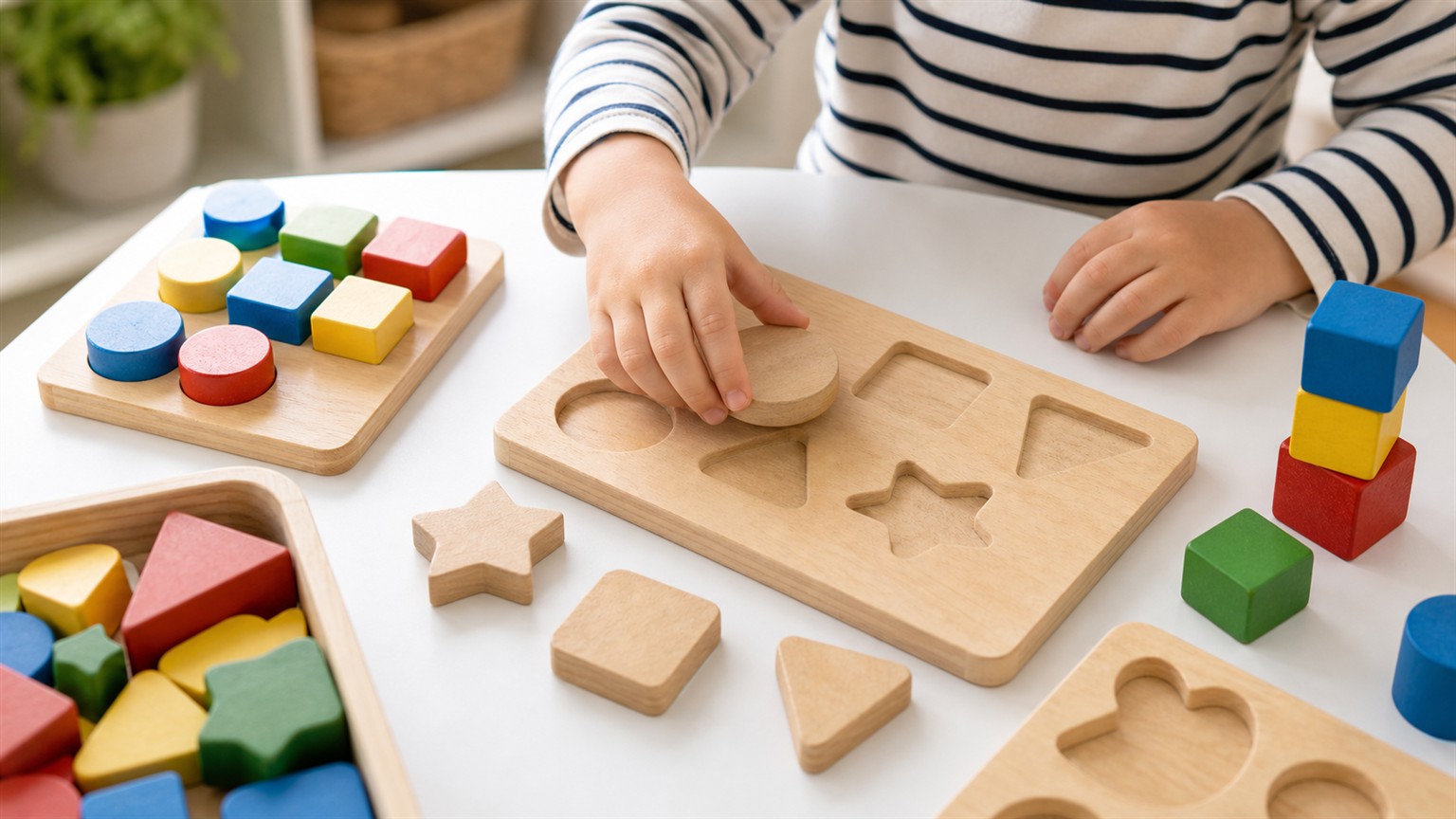
How early childhood puzzles can support executive function skills such as working memory, inhibition, flexible thinking, planning, and self-regulation.
How puzzles support children’s cognitive development through attention, spatial thinking, language, memory, planning, and persistence.
A careful, evidence-aware look at puzzles, cognitive engagement, dementia risk, and why claims about prevention should stay cautious.
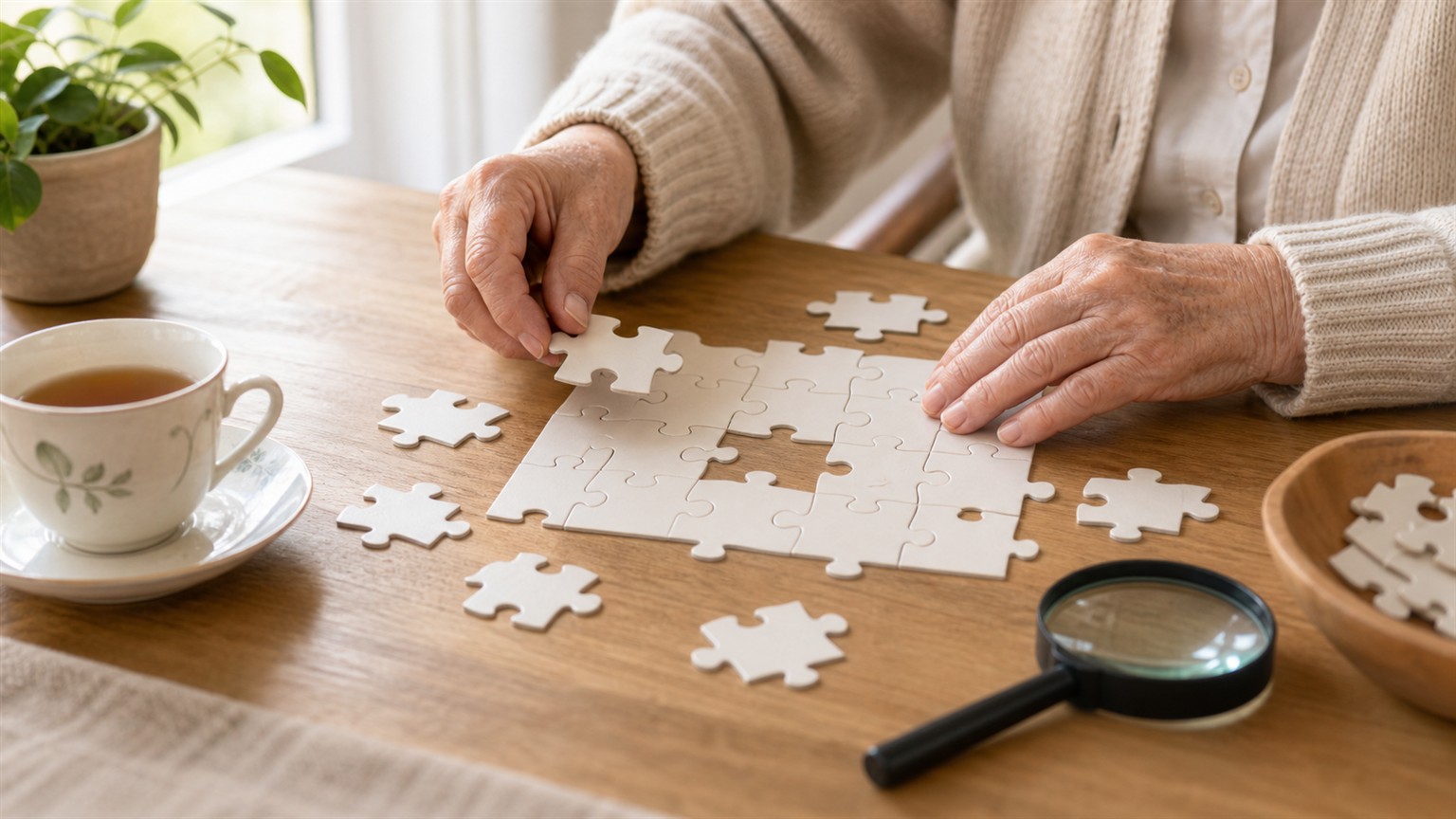
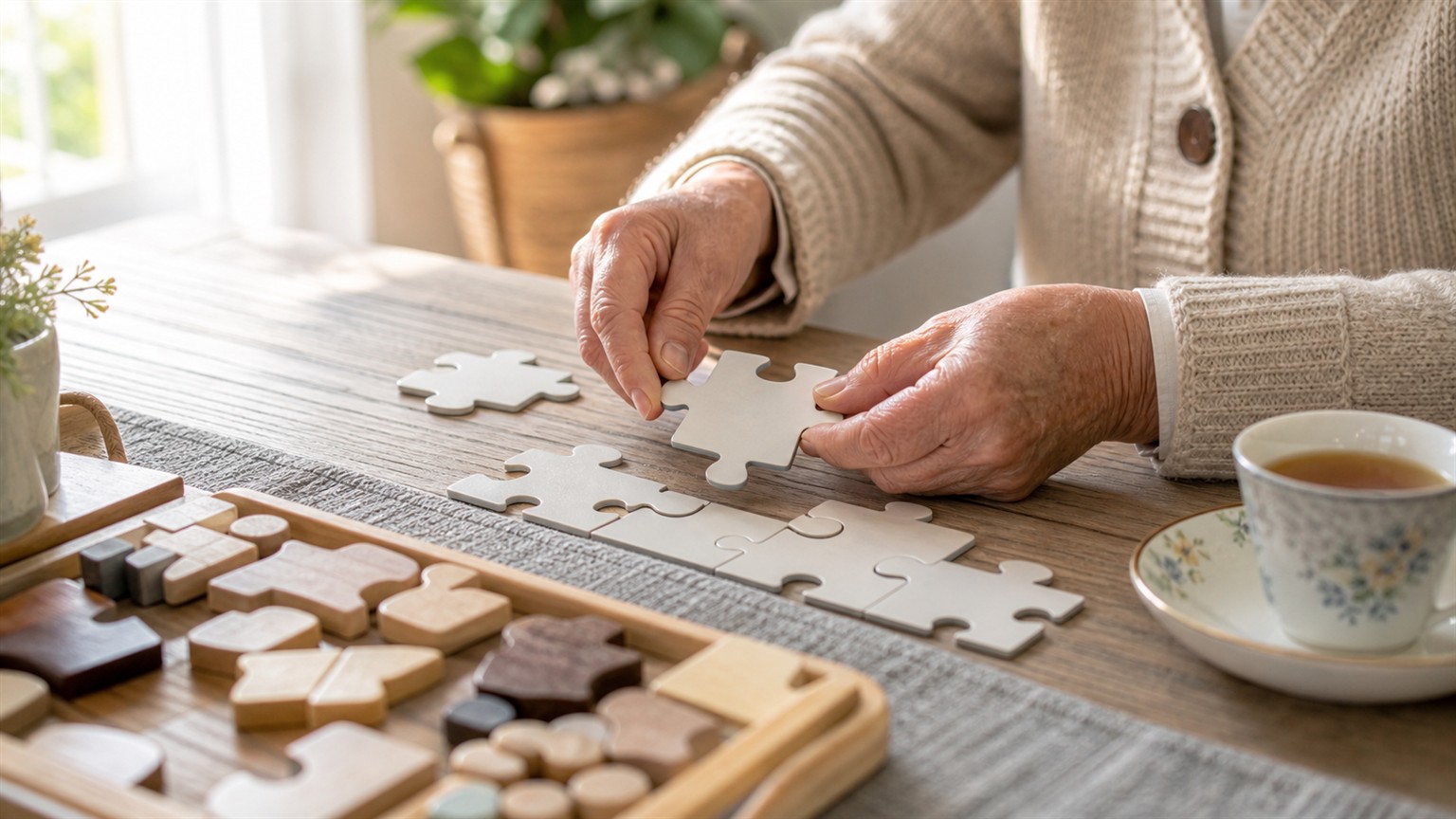
A careful guide to how puzzles can support cognitive health in older adults through engagement, attention, memory, social connection, and confidence.
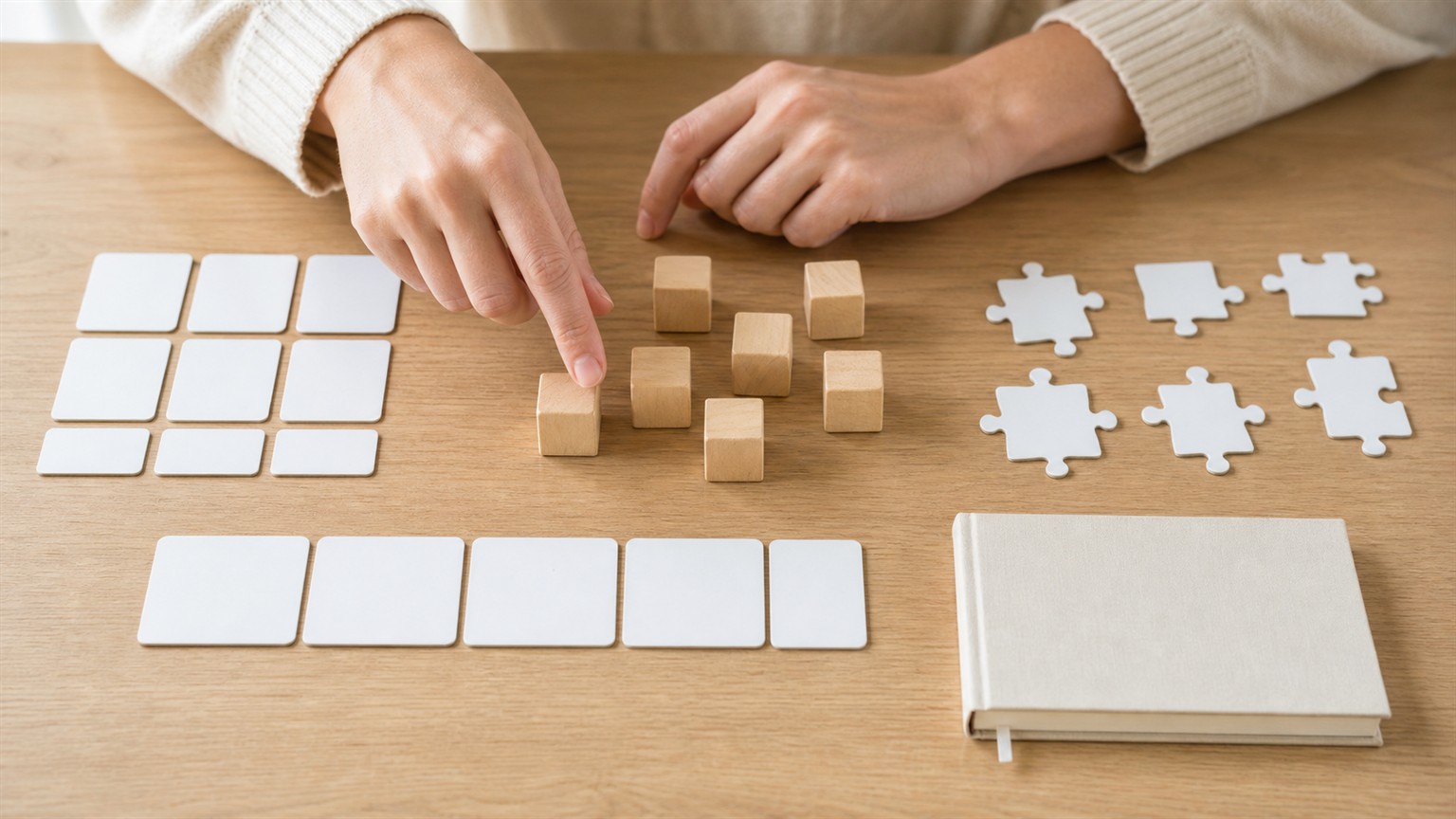
A research-aware guide to memory puzzle types, including matching, crosswords, spatial puzzles, sequences, logic grids, and recall-based games.
How puzzle practice uses working memory, long-term memory, retrieval, pattern learning, and review to support stronger memory habits.
How the prefrontal cortex supports puzzle solving through planning, inhibition, working memory, rule tracking, and logical control.
A clear guide to the neuroscience of the Aha moment, explaining insight, attention, incubation, and why puzzle solutions can feel sudden.